
Infineon, UPS & a UK-US Pharma Deal: Top News This Week


Start-up Auger is establishing itself as a main contender for supply chain transformations.
In an era of supply chain complexity and too many processes, supply chain operations can feel stagnant, with time-taken to complete tasks rising.
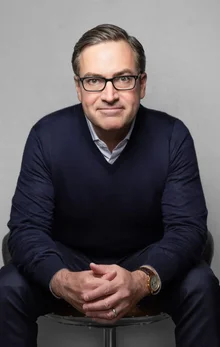
To create greater cohesion across operations and ensure optimal efficiency, Dave Clark founded Auger in 2024, which has now received a total of US$150m in funding.
Supply chains are experiencing rapid shifts on an unprecedented scale, with organisations facing complex geopolitical pressures, regulatory changes and fluctuating material costs. Those leading our sector are required to adapt their business models to increase resilience and ensure they maintain a competitive advantage.
To recognise those achieving this level of excellence, the upcoming Global Supply Chain Awards 2026 includes a Transformation Project of the Year Award, which honours companies that have successfully redesigned their supply chain operations to achieve measurable improvements in efficiency.
We take a look back at the recipients of this highly coveted award from last year, where winners demonstrated true operational transformation, which included a combination of advanced technology, cultural change and clear strategic alignment.
Infineon Technologies has opened a €5bn (US$5.69bn) facility in Dresden, Germany. Deemed the 'Smart Power Fab', it is the company's largest single investment to date.
The new factory doubles manufacturing capacity at Infineon's Dresden site, allegedly creating the world's largest production facility for power semiconductors and analogue or mixed-signal technologies.
It also could create up to 1,000 jobs in what is Europe's largest chip hub.
UPS has expanded its logistical reach by establishing a new operations centre in Kaohsiung, Taiwan.
This facility will offer comprehensive end-to-end logistics services across southern Taiwan, assisting local businesses and organisations in optimising their shipping and delivery capabilities for new technologies.
A pharmaceuticals agreement between the UK and the US could reshape the medical supply chain infrastructure between the two countries. The arrangement addresses medicine availability, manufacturing resilience and export protection while introducing changes to healthcare investment and pricing evaluation.
The deal establishes mechanisms to reduce medicine shortages and strengthen cooperation during public health emergencies. It also aims to protect pharmaceutical exports valued at more than £5bn (US$6.67bn) annually from tariff barriers.
Company portals


Executives
Dave Clark
CEO