Why Diageo's Supply Chain Sustainability Goals are Changing
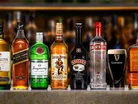
Diageo has sought to justify its decision to made significant adjustments to a host of key sustainability targets.
In its 2025 Annual Report, the beverage giant – whose most recognisable drinks include Guinness, Don Julio tequila and Smirnoff vodka – has published revised targets for areas including Scope 3 emissions and recycled content in its packaging.
Ewan Andrew, President of Global Supply and Procurement & Chief Sustainability Officer at Diageo, took to LinkedIn to explain the rationale.
“In 2020, when we set ambitious environmental sustainability goals as part of our Spirit of Progress action plan, we didn’t have all the answers," admitted Ewan. “But we knew progress would require innovation, long-term commitment and supportive policy environments.
“Five years on, we have better data, deeper insights and a clearer view of the practical realities to deliver net zero.
“Today, alongside our annual report, we’re updating our sustainability goals, with some important adjustments to our carbon and packaging goals to give us a stronger, more credible path forward.”
Unpacking Diageo's adjusted goals
While Diageo is maintaining its commitments to water use and replenishment, it has revised targets relating to direct and indirect emissions, as well as recycled packaging content.
The changes indicate a strategic realignment to effectively manage its supply chain while meeting environmental responsibilities.

The adjusted targets are as follows:
Water efficiency in water-stressed areas
- 2024 – 40% improvement by 2030
- 2025 – unchanged
Water efficiency across the company
- 2024 – 30% improvement by 2030
- 2025 – unchanged
Water replenishment
- 2024 – 100% target in water-stressed areas by 2026
- 2025 – unchanged
Emissions from direct operations (scope 1 and 2)
- 2024 – net zero carbon by 2030
- 2025 – reduce emissions by 50% by 2030 (net zero by 2040)
Value chain (Scope 3) emissions
- 2024 – Reduce by 50% by 2030
- 2025 – Reduce by 26% by 2030 (net zero by 2050)
Increasing recycled content
- 2024 – by 2030, increase recycled content in products to 60%
- 2025 – by 2030, increase recycled content in products by 50%
Complex global dynamics
The adjustments in targets, while potentially contentious, are explained in Diageo’s report as a necessary response to the intricate challenges posed by both societal and environmental factors.
The report acknowledges the extensive impact of climate change and underscores the interconnectedness of climate, nature, agriculture, people and Diageo’s value chain.
It makes clear that targets are regularly reviewed in response to evolving regulations and improved understanding of the timeframes needed to address widespread issues such as greenhouse gas emissions.
This approach enables Diageo to enhance its business resilience and continue its operations in a sustainable fashion.
Collaboration with the SBTi
Diageo carries out reviews as part of its commitment to the Science Based Targets initiative (SBTi).
The revisions in emission reduction targets and the refocusing of packaging goals reflect both external challenges and the company's growth aspirations.
The report states: “This review, conducted as part of our regular update of Science Based Targets initiative (SBTi) targets, resulted in changes to greenhouse gas emission reduction percentages and timeframes to achieve those reductions.
"We also reframed our packaging targets due to both external factors and our growth ambitions, shifting our focus to recycled content of our packaging, with lightweight packaging reporting focused on examples, rather than a formal target.”
Mitigating tariffs strain
Diageo, like many global companies, has been hit hard by trade tariffs imposed by US President Donald Trump. In fact, the annual report forecasts such taxes will cost the organisation US$200m.
It states: “We have continued to undertake considerable contingency planning in recent months and are focused on what we can control in relation to tariffs.
“Assuming the current 10% tariff remains on UK and 15% European imports into the US, that Mexican and Canadian spirits imports into the US remain exempt under the United States - Mexico - Canada Agreement (USMCA), and that there are no other changes to tariffs, the unmitigated impact of these tariffs is estimated to be c.$200 million on an annualised basis.”
The company is actively engaging in inventory management, supply chain optimisation and investment reallocation to reduce the impact, adding: "Given the actions to date and before any pricing, we expect to be able to mitigate around half of this impact on operating profit on an ongoing basis."
Looking ahead, Diageo emphasises continuing efforts to further mitigate these impacts and holds confidence in its expertise in navigating international tariffs.
Nik Jhangiani, Interim CEO at Diageo, says: "We continue to believe in the attractive long-term fundamentals of our industry and in our ability to continue to outperform the market as the Total Beverage Alcohol landscape evolves.
“Diageo’s ambition remains clear: to be one of the best performing, most trusted and respected consumer products companies in the world.
“With world-class brands and talent, highly effective global consumer insights and an ongoing focus on efficiency and effectiveness, we are confident in our ability to outperform the market, restore Diageo to a top quartile TSR consumer company and provide stronger returns to shareholders.”