
MOL’s Blueprint for Stable Supply Chain Capacity
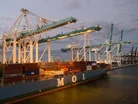
Mitsui O.S.K Lines (MOL) is entering a critical phase of its long-term transformation as it prepares for a leadership handover designed to strengthen execution rather than redirect strategy.
With President and CEO, Takeshi Hashimoto, transitioning to Chairman and Jotaro Tamura stepping into the chief executive role from 1 April, 2026, the Japanese shipping giant is signalling a shift from portfolio restructuring to operational delivery, a move that could have significant implications for global supply chain partners relying on stable maritime capacity.
The transition comes as MOL completes Phase 1 of its BLUE ACTION 2035 strategy, a period characterised by major capital deployment aimed at reducing exposure to volatile shipping segments.
According to Takeshi, the timing is deliberate.
"Having successfully navigated Phase 1 (to FY 2025) and established a clear path for large-scale strategic investments, I believe now is the perfect time to transition to a new leadership team for Phase 2 (FY 2026 ~ 2030)," he writes in a LinkedIn post on 20 January 2026.
The handover introduces what MOL calls a "Cooperative Management System", with Jotaro working alongside a new Chief Operating Officer and Chief Financial Officer to enable what the company describes as "agile and collective decision-making".
For supply chain professionals, this organisational shift could mean more responsive decision-making as MOL seeks to translate strategic investments into reliable service delivery across its diversified portfolio.
Strategic investments target stability
Under Takeshi's leadership, MOL has systematically repositioned itself away from the cyclical volatility that has historically defined container shipping economics.
Phase 1 focused on building the company's target business foundation through investments in LNG transport, chemicals, offshore wind, real estate and cruise operations. The 2025 acquisition of LBC Tank Terminals marked a significant expansion of the company's logistics infrastructure footprint.
However, Takeshi has been explicit that capital deployment alone does not guarantee supply chain resilience.
"Success cannot be achieved by merely acquiring assets; the major challenge ahead is how to create a profitable and sustainable business structure," he says in the MOL Report 2025.
This recognition suggests Phase 2 will prioritise operational integration and service reliability, factors critical to shippers seeking predictable capacity in an uncertain trade environment.
The company is targeting ¥200-300bn (US$1.26bn-1.89bn) in annual profits through a higher share of stable revenue streams, while continuing investments in decarbonisation pathways including ammonia, methanol and offshore wind.

Regional experience shapes leadership
Jotaro's career trajectory reflects the increasingly regionalised nature of global supply chains.
His experience spans Hong Kong, London, Singapore and leadership roles covering Europe, Africa, Southeast Asia and Oceania.
He has overseen liner businesses, car carrier operations and corporate planning, and chaired Ocean Network Express from the shareholder side.
This background aligns with MOL's belief that competitive advantage in fragmented global trade will come from understanding local demand patterns, regulatory environments and partnership networks.
For supply chain professionals working across multiple trade lanes, Jotaro's regional grounding could mean more nuanced responses to local market conditions while maintaining global network coherence.
Execution phase begins
In his first statement after being named CEO, Jotaro emphasised alignment with existing strategy.
"Guided by the Corporate Mission, MOL Group Vision and MOL Group Values: MOL CHARTS established in 2021 - in which I was personally involved - I will devote my full efforts to steering the MOL Group as we enter the latter half of the 2020s," he says.
He echoed Hashimoto's emphasis on collective leadership, stating: "To maximise corporate value in collaboration with all stakeholders, I believe that as leader I must not only demonstrate balanced decision-making and action based on broad perspective and foresight, but also place greater emphasis on strengthening teamwork among the management team."
Jotaro added that he intends to "swiftly establish and implement a new structure requiring close coordination with the new Chief Operating Officer and Chief Financial Officer".
Hashimoto will remain as Chairman, providing continuity at board level.
For investors and supply chain partners alike, Phase 2 will be judged on operational outcomes: steadier earnings, clearer capital allocation and progress toward MOL's stated ambition of lifting its price-to-book ratio above 1.
The real test for Jotaro will be whether his operational and regional experience can convert the groundwork of BLUE ACTION 2035 into the durable service reliability and organisational strength that global supply chains increasingly demand.
Company portals

Executives
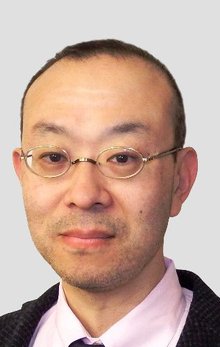
Jotaro Tamura
Senior Managing Executive Officer
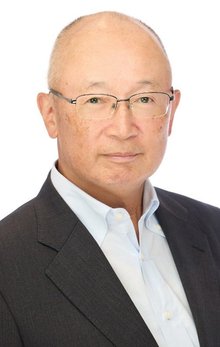
Takeshi Hashimoto
CEO