
Bananas and Beyond: The Hidden Cost of Lost Containers
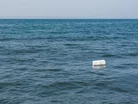
The shipping industry's ongoing battle with container losses at sea reveals a complex web of environmental consequences and supply chain vulnerabilities that extend far beyond the initial moment cargo goes overboard.
Each year, thousands of containers slip into the ocean, transforming single shipping incidents into chronic pollution sources that persist for decades while simultaneously disrupting global trade networks.
The mechanics behind these losses combine natural forces with human and technical failures. Rough seas, high waves and strong winds create the immediate physical threat, particularly when containers are improperly stacked or inadequately lashed. Human factors including fatigue, poor communication and complacency during loading operations compound these risks, while mechanical issues such as valve failures or uneven weight distribution further exacerbate the problem.
Joe Kramek, President & CEO of the World Shipping Council (WSC) says: "Even one container lost is one too many.”
Decades of marine plastic pollution
A February 1997 incident involving the Tokio Express, operating under Evergreen Marine's service at the time, demonstrates how a single container loss can become a long-term environmental liability. Hit by a large wave off the coast of Cornwall, the vessel lost 62 containers overboard, including one loaded with millions of Lego pieces.
The lost cargo has washed up for decades on beaches in Southwest England, making it one of the best-known examples of traceable marine plastic pollution. Many of the Lego pieces were ocean-themed items such as flippers and octopuses, providing marine scientists with valuable long-term data on plastic persistence and drift patterns.
The incident continues to serve as a case study for understanding how plastic pollution disperses across ocean currents. Beachcombers and researchers still document finds of these distinctive pieces, creating an ongoing record of marine debris movement.
The longevity of these plastic items in the marine environment highlights the persistent nature of polymer-based materials. This single container loss has generated decades of environmental impact and scientific observation.
Perishable cargo environmental footprint
Refrigerated container losses present different environmental challenges, as demonstrated by recurring banana spills across European waters.
On 15 November 2025, a vessel transporting bananas for major importers and retailers lost several containers in the English Channel, leading to large numbers of loose bananas, broken boxes and associated packaging washing up along parts of the UK coast.
While the fruit itself biodegrades, the long-term environmental burden comes from non-biodegradable elements such as plastic wrap, strapping, pallets, insulation and cooler foams that persist in marine environments. These materials fragment into microplastics over time, entering the food chain.
The visual impact of perishable cargo losses often generates significant public attention and media coverage. However, the less visible packaging materials create the more enduring pollution problem.
Refrigerated containers also contain coolants and insulation materials that can release harmful substances when compromised. The environmental footprint of these losses extends well beyond the organic cargo itself.
Industrial materials contaminating coastlines
Beyond consumer goods and perishables, industrial materials constitute some of the most severe marine pollution incidents.
The X-Press Pearl incident off Sri Lanka in 2021 released 70 to 75 billion plastic pellets, known as "nurdles", now considered one of the largest marine plastic spills in history. The ship was operated by X-Press Feeders and carried cargo for multiple chemical and polymer producers.
These tiny plastic pellets, the raw material for plastic manufacturing, spread rapidly across vast ocean areas and coastlines. Their small size makes recovery virtually impossible, and they persist indefinitely in marine ecosystems.
Other notable cases include consumer goods such as trainers, motorbikes, televisions, whisky and IKEA products arriving on beaches after container losses on major Asia-Europe and transpacific routes. Biobeads and industrial polymers have contaminated shorelines in the UK and elsewhere, creating pollution challenges that differ markedly from organic cargo losses.
The diversity of lost cargo types means coastal communities face varied contamination scenarios. Each material type requires different clean-up approaches and presents unique environmental risks.
Supply chain disruption costs
The commercial consequences ripple through global supply networks with compounding effects. Lost containers reduce available inventory, forcing shippers to reorder goods and extend lead times, which cascades into production halts for just-in-time manufacturers.
Affected vessels often divert for investigations or repairs, amplifying port congestion and schedule unreliability. These diversions create knock-on effects throughout shipping networks, delaying multiple subsequent port calls.
Spills damage brand trust for companies like Lego or fruit multinationals, fuelling ESG scrutiny and consumer backlash over plastic pollution. Governments impose fines and mandate reporting under International Maritime Organization (IMO) rules, prompting carriers to invest in lashing upgrades and verified gross mass compliance.
Investment in prevention measures ultimately proves more cost-effective than managing the consequences of container losses.
Company portals

Executives

Joe Kramek
President