Maersk: Supply Chain Leaders Expect Persistent Disruption
Supply chains have faced significant disruption over the past 12 months thanks to tariff uncertainties, shifting trade policies and geopolitical tension.
In the context of this volatile environment, Maersk's latest survey examines leadership expectations and discovers most executives are anticipating long-lasting disruption.
However, despite their concerns, business leaders are taking action to protect their supply chains and build resilience.
Supply chain concerns
Maersk surveyed leaders representing more than 900 European companies on supply chain strain and geopolitical disruption.
The study suggests supply chain professionals are pessimistic about the near term amid rising geopolitical tensions, with most cargo owners expecting volatility to continue for 12-24 months.

Leaders are braced for further disruption:
- More than 78% anticipate that geopolitical dynamics, trade tariffs and international trade regulations will impact their operations over the next 24 months
- Almost half (48%) expressed deep concern about the geopolitical climate
- Four in five leaders acknowledged supply chain challenges as impacting their business growth
Building resilience
Despite persistent uncertainty, businesses are acting to limit the impact and strengthen supply chains.
Across Europe, firms are diversifying sourcing, with 75% of respondents telling Maersk they already buy from multiple geographies or plan to do so – up from 53% in 2024. The shift aims to reduce single-country exposure and smooth procurement shocks.
Meanwhile, 80% are investing time and resources to deepen relationships with logistics providers and key suppliers. Three in five are building resilience through visibility and agility tools, so they can move products and adapt quickly to change. Three-quarters are also adopting alternative trade routes to prevent bottlenecks and sidestep conflict zones.
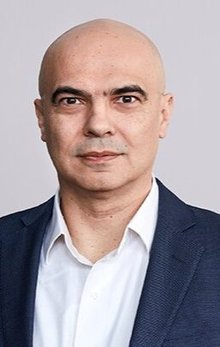
"European businesses certainly haven’t had it all their own way over the past five years and the ever-changing global environment facing them is definitely here to stay for the near future," says Aymeric Chandavoine, President Europe at A.P. Moller - Maersk.
"Ultimately, though, it’s about turning the prevailing uncertainty into opportunities. One shared attitude among our customers has become abundantly clear: now is not the time to lament the cards we’ve been dealt – now is the time to take action and grow.
"More and more European businesses are refusing to sit back and wait for volatility to ease. Instead, they are looking to build smarter, more resilient networks that support their ambitions for growth."
The impact of tariffs
Businesses that fail to prepare for ongoing volatility are likely to face greater disruption than those that do.
Tariffs remain a major disruptor to global trade. Lars Karlsson, Maersk’s Global Head of Trade & Customs Consulting, and Maersk’s global team of 2,700 customs brokers, have seen this first hand.
When the US introduced sweeping tariffs, imposing higher costs across affected markets, Lars and his team worked to keep cargo owners informed and operations steady amid constant change.
“That left many supply chain managers without sleep at night,” Lars reflects.
“However, with the right tools and partners, you can control even such a black swan event. You need to be proactive and become more agile in a geopolitical environment like today. To achieve this, you need full control of your global customs data, have it digitally in one central platform where you can blend it with the data of sudden tariff changes as they happen.”
The companies which immediately began gathering global customs data via Maersk Trade and Tariff Studio back in April have since been better prepared for other disruptions. By reacting fast, they were able to safeguard their supply chains and build resilience.
Businesses are anticipating a range of challenges due to the shifting geopolitics:
- 46% respondents said they expect fluctuations in important and export costs
- 43% are anticipating increased trade tariffs
- 40% expect uncertainty in global trade policies
Despite concerns over global trade, most leaders are taking steps to protect their businesses. By staying vigilant, firms can ensure they maintain supply chain resilience, with tactics such as supplier diversification and stronger partner relationships helping embed strength and flexibility into operations.
Company portals

Executives
Aymeric Chandavoine
Executive Vice President & President, Europe

Lars Karlsson
Global Head of Trade and Customs Consulting Maersk