PepsiCo Looks to Renewables for Supply Chain Decarbonisation
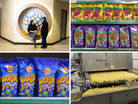
PepsiCo is taking a manufacturing-focused approach to decarbonisation, backing electrification at one of its major production sites.
The aim is to reduce greenhouse gas (GHG) emissions in crisp production and shift more of its supply chain onto renewable electricity.
The organisation is investing US$77m in its UK supply chain to expand production and distribution capabilities and shift to more sustainable practices.

Decarbonising production lines
According to Carbon Cloud’s research, crisps have a carbon footprint of 2.88kg CO₂ per kg, with most emissions originating from agriculture and manufacturing.
To combat this, PepsiCo is introducing various decarbonisation strategies, including the switch to electric ovens powered entirely by renewable electricity.
This direct emission reduction falls within the company’s Scope 1 and 2 emissions strategy, which includes all emissions from owned or controlled sources (Scope 1) and indirect emissions from the generation of purchased electricity (Scope 2).
“Some of our local fan favourites like Cheetos, Wotsits and Monster Munch are now cooked in ovens powered by 100% renewable electricity, thanks to the completion of a £58m (US$77m) investment in our Leicester site,” says Jim Andrew, PepsiCo’s Chief Sustainability Officer.
“With two new electric ovens and a third converted from gas to electric, we’re set to cut the site’s greenhouse gas emissions by 1,500 tonnes a year.
“It’s all part of our global pep+ goal to achieve net-zero emissions by 2050, strengthening the resiliency of our business in the near and long-term while honing our focus on where we believe we can have the most positive impact.”
Consolidating manufacturing
By moving more crisp manufacturing to Leicester, PepsiCo expects to cut emissions tied to logistics.
Transport-related emissions are set to fall by an estimated 915 tonnes a year in the UK as a result of the shift.
Richard Clarke, Manufacturing Director at PepsiCo UK and Ireland, says the investment is changing how the site operates: “With a brand-new production line, better facilities for our teams and now these more sustainable ovens, we’ve been able to transform our home in Leicester and secure its future growth.
“It’s fantastic to see the impact of our investment in each and every batch of delicious snacks made using our new electric ovens.
“We’re incredibly proud of all the work that goes into making our iconic snacks right in the heart of the UK and even more so now we’re doing it in a more sustainable way.”
Electrification across the supply chain
The Leicester update is part of a wider strategy to electrify processes across PepsiCo’s supply chain and manufacturing estate.
The company has earmarked US$272m for decarbonisation projects aimed at cutting Scope 1 and 2 emissions by more than 125,000 metric tons annually.
It is piloting heat pump technology in Belgium and exploring options to replace the gas-powered toasting process with electric systems.

In Poland, PepsiCo is testing the use of solar power to replace gas pipes, further shifting its production infrastructure to low-emission energy sources.
In parallel, the business is deploying renewable electricity assets and using lower-emission fuels such as biomass, biogas and biofuels.
At the same time, it continues to identify energy-saving opportunities through its resource conservation programme, including improvements in lighting, heating, cooling and employee training.
These actions align with the group’s climate targets. PepsiCo aims to cut Scope 1 and 2 emissions by 50% by 2030 and 90% by 2050.
Scope 1 and 2 made up 8% of PepsiCo’s total emissions in 2022.
Ramon Laguarta, CEO of PepsiCo, says the company is responding to climate risks across its entire value chain: “Every day, PepsiCo is sourcing ingredients, making products and creating smiles all over the world.
“As we think about the potential impacts of climate change on suppliers, customers and consumers in our value chain, we believe strategic action can help build a more sustainable, positive future for us all.”