How are PepsiCo's UK Ovens Powered by Renewables?
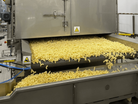
PepsiCo’s snacks in the UK are getting a new kind of heat. Cheetos, Monster Munch, Wotsits and Frazzles are now cooked in electric ovens powered entirely by renewable electricity.
The ovens are part of a broader push by the company to cut carbon emissions from its UK supply chain—beginning with manufacturing.
The company has installed three new electric ovens, two brand new and one adapted from gas, at its factory in Leicester, England. These units are now baking snack batches with zero direct fossil fuel use and are expected to save 1,500 tonnes of greenhouse gas emissions each year.
Richard Clarke, Manufacturing Director at PepsiCo UK and Ireland, says the move marks a tangible shift in production: “It’s fantastic to see the impact of our investment in each and every batch of delicious snacks made using our new electric ovens.
“With a brand-new production line, better facilities for our teams and now these more sustainable ovens, we’ve been able to transform our home in Leicester and secure its future growth.”

Manufacturing with sustainability in mind
The Leicester site is already a key part of PepsiCo’s UK operations. It’s the home of Walkers, producing more than 11 million bags of crisps daily.
Now, with this £58m (US$77.1m) investment, the site not only boosts its capacity but improves its sustainability credentials too.
It’s not just about what happens in the oven. The wider investment has brought a new production line and upgraded facilities for nearly 1,200 employees. In parallel, PepsiCo has invested £13m (US$17.2m) in its Coventry site, which is the largest tortilla chip factory in Europe and employs 700 people. That upgrade included replacing parts of the manufacturing line with new equipment, cutting emissions by over 700 tonnes a year.
Elsewhere, the company has installed more efficient fryers for Pipers Crisps at its Bragg site, contributing further emissions reductions across the board.
Part of this supply chain strategy includes shifting brands like Wotsits Giants, Monster Munch Giants and heritage Smiths snacks to Leicester. The aim is to streamline operations and reduce emissions tied to transporting products between sites.
A net zero ambition by 2040
The technology behind the ovens might be new, but the change is rooted in PepsiCo’s wider strategy: PepsiCo Positive, or pep+. This global plan sets out the company's aim to achieve net zero emissions by 2040 and build a more sustainable supply chain from end to end.
Ramon Laguarta, Chairman and Chief Executive Officer at PepsiCo, outlines the broader vision: “It's our vision to deliver a more sustainable, people-centric future, driving growth and value, for everyone.”
For him, this goes beyond a business model. “It's not just a business strategy – it's a transformative journey across our operations, from production to marketing to distribution.”
The pep+ framework operates across three areas:
Positive Agriculture: This focuses on sourcing ingredients in a way that supports the environment and helps farming communities thrive.
Positive Value Chain: Here, the emphasis is on creating a supply chain that is both circular and inclusive.
Positive Choices: This aims to give people better options for themselves and the planet.
Ramon adds: “We are dependent on the earth, relying on its resources to grow crops and produce the foods, snacks and drinks that bring joy and smiles to millions of people every day. pep+ is our strategy to nurture the soil, air and water that sustain us, positioning our company for future success and seeking to positively impact the communities we touch around the world, today and for future generations.”
Meanwhile Jim Andrew, PepsiCo’s Chief Sustainability Officer, recognises the scale of the challenge. “Across the globe, we are deploying a range of solutions to decarbonise our business and help us move a step closer to becoming net zero by 2040,” he says.
“That’s not a simple task, particularly for some of our sites that have been operating for decades.”
Streamlining snacks for a greener future
This shift to renewable-powered ovens is just one part of how PepsiCo is working to overhaul its UK supply chain.
By changing where products are made and how they're cooked, the company is cutting down on emissions across the board—from production through to transport. The investments in Leicester, Coventry and Bragg are as much about capacity as they are about climate impact.
The company sees these changes as necessary to prepare its supply chain for the years ahead, ensuring growth while reducing environmental harm. It's a production model that PepsiCo hopes to scale, adapting older systems and building new ones to help meet its 2040 net zero target.
Explore the latest edition of Supply Chain Digital Magazine and be part of the conversation at our global conference series, Procurement & Supply Chain LIVE.
Discover all our upcoming events and secure your tickets today.
Supply Chain Digital is a BizClik brand.