Why is Coca-Cola Investing US$1bn Into South Africa?
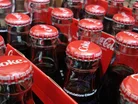
The Coca-Cola system in South Africa has announced a R17.6bn (US$1bn) investment aimed at bolstering the country's beverage supply chain infrastructure. The investment could strengthen production capacity and enhance local distribution networks across the region.
This system is comprised of Coca-Cola and its authorised bottlers, Coca-Cola Beverages South Africa (CCBA) and Coca-Cola Peninsula Beverages. The announcement follows The Coca-Cola Company selling CCBA to Coca-Cola HBC in 2025 as part of a wider refranchising move.
Luis Felipe Avellar, President of The Coca-Cola Company's Africa Operating Unit, says: "Our R17.6 billion investment reflects our strong belief in South Africa's potential and our commitment to growing alongside the communities we serve.
"We hire locally, produce locally, distribute locally and, where possible, source locally, helping to build a stronger, more integrated economy in South Africa."
The investment could support expanded production capacity, strengthen distribution networks and explore innovations across the Coca-Cola system's value chain. This approach suggests a focus on building resilience within the supply chain whilst maintaining local economic integration.
Sustainability, procurement and supply chain leaders won’t want to miss Procurement & Supply Chain LIVE, taking place at Navy Pier, Chicago, on April 21–22.
Co-located with Sustainability LIVE: The US Summit, the event unites senior decision-makers at a time when supply chains, sustainability and business performance are more interdependent than ever.
Secure your place now for The US Summit – group booking discounts available.
Strengthening local procurement networks
In South Africa, Coca-Cola's local procurement strategy supports industries such as sugar production, packaging, transportation and marketing. This localised approach to sourcing could help to build a more integrated supply chain ecosystem within the region.
Sunil Gupta, CEO of CCBA, says: "South Africa remains one of our most strategic markets in Africa, the beginning of a legacy that dates back to Coca-Cola's first entry on the continent in 1928.
"These findings reaffirm the Coca-Cola system's role as a key driver of shared value and sustainable growth within the South African economy."
Through its value chain, the Coca-Cola system supports more than 87,000 jobs in sectors including manufacturing, agriculture and transport. This includes 7,822 direct jobs within the system and an estimated 79,300 jobs supported through suppliers, partners and customers.
According to research from Steward Redqueen, Coca-Cola is estimated to have contributed R51.2bn (US$3.02bn) in value-added economic activity in 2024. This figure could demonstrate the broader economic impact of the company's supply chain operations across multiple sectors.

Refranchising bottling operations
The announcement follows a 2025 deal where The Coca-Cola Company, together with Gutsche Family Investments, agreed to sell a 75% controlling interest in CCBA to Coca-Cola HBC AG in a transaction that valued 100% of CCBA at an equity value of US$3.4bn. The Gutsche family has an ownership stake in Coca-Cola HBC.
CCBA is the largest Coca-Cola bottler in Africa, operating in 14 countries on the continent. Coca-Cola HBC is one of the largest Coca-Cola bottlers in the world, operating in 29 countries. This consolidation could potentially streamline supply chain operations across a wider geographical footprint.
Zoran Bogdanovic, CEO of Coca-Cola HBC, says: "With almost 75 years of experience in Nigeria and with our successful acquisition of Coca-Cola's bottling business in Egypt in 2022, we see huge growth opportunities in Africa. It has a sizable and growing consumer base and significant potential to increase per capita consumption.
"We believe we can unlock this growth and create value for our shareholders by leveraging our best-in-class bespoke capabilities, commercial expertise and industry-leading approach to sustainability. We appreciate the trust placed in us by Coca-Cola and GFI and look forward to welcoming the CCBA team to Coca-Cola HBC and driving joint success."
The transaction is expected to close in 2026.
Asset light strategy continues
The Coca-Cola Company is pursuing refranchising its bottling operations across the board, advancing an asset light agenda. The sale of The Coca-Cola Company's stake in CCBA is part of a larger ongoing refranchising of company-owned or controlled bottling operations, which have also taken place in India.
In July 2025, The Coca-Cola Company in India sold a 40% ownership stake in Hindustan Coca-Cola Beverages to Jubilant Bhartia Group. This strategy could allow The Coca-Cola Company to focus on brand management whilst partners manage production and distribution logistics.
By transferring bottling operations to experienced partners, The Coca-Cola Company aims to reduce capital intensity and operational complexity. This model enables the company to concentrate resources on innovation, marketing and brand development whilst bottling partners leverage their regional expertise and infrastructure.
Commenting on the recent US$1bn investment in South Africa, and the previous deal, Zoran says: "Congratulations to the Coca-Cola system on this investment announcement. After the transaction completes, we look forward to continuing the great work of Coca-Cola Beverages South Africa in the years to come."
Company portals

Executives
Luis Felipe Avellar
President - Africa
Sunil Gupta
Chief Executive Officer
Zoran Bogdanovic
Chief Executive Officer