Will Global Power Supplies Crack Under Record Heat?
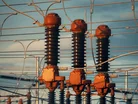
Extreme heat is putting global power infrastructure to the test.
Throughout 2025, countries including China, the US, Canada, France and the UK are facing record-breaking temperatures that are making electricity supply more unstable.
These heatwaves are no longer rare events. They are frequent, intense and long-lasting—conditions that climate scientists link directly to human activity.
As power grids react to record-breaking heat, supply chains behind electricity generation, cooling and transmission are feeling the impact. Energy systems need to manage not only increased demand but also growing pressure on the equipment and fuel supply that make electricity possible.

Electricity demand spikes with extreme heat
The International Energy Agency (IEA) says global electricity use is rising at one of the fastest rates in the past two decades.
One reason is that air conditioners, fans and other cooling systems are all electricity-hungry, and millions of them are being switched on at the same time during heatwaves.
“Growth in global electricity demand this year and next is set to be among the fastest in the past two decades, highlighting the growing role of electricity in our economies as well as the impacts of severe heatwaves,” says Keisuke Sadamori, Director of Energy Markets and Security at the IEA.
Thinktank Ember reports that, in 2024 alone, China, the US and India saw tens of terawatt-hours added to their electricity demand during the hot months. For the US, 37% of the jump in electricity demand between April and September 2024 compared to the same period in 2023 came from extra air cooling.
Meeting this surge in demand often involves switching on fossil-fuel-based power plants—especially coal and gas—because they are more flexible than some renewables. That adds more carbon to the atmosphere and reinforces the cycle of warming.
Kostantsa Rangelova, Ember’s Global Electricity Analyst, says: “The solution is twofold: scale up efficient AC adoption to cut costs and ease peak demand, and invest in clean, flexible power to keep grids resilient as extreme weather intensifies.”
She adds: “The crisis is accelerating—our response must, too.”
Heat cuts into power generation and renewables
High temperatures also challenge power supply, especially where electricity is generated using water for cooling.
Thermal power plants, including nuclear, coal and gas stations, often rely on nearby rivers or lakes to keep their systems from overheating. When those water sources are too warm—or too low—plants must scale down production.
That happened in Switzerland in June 2025. At the Beznau nuclear power station, operated by Axpo, the plant had to halve its output because the River Aare, which provides its cooling water, reached a critical temperature.
Michael Kessler, Head of the Nuclear Energy Division at Axpo, says: “The reduction in reactor output is a prescribed measure to protect the ecological balance of the Aare River."
Renewable energy isn’t immune, either. CED Greentech, a US-based solar equipment supplier, says solar panel efficiency can fall by 10-25% during hot conditions. Higher ambient temperatures make photovoltaic modules less efficient, especially if they can’t cool down properly at night.
This drop in efficiency coincides with the period when demand for power is at its highest, placing even more pressure on grid managers and energy providers to balance supply and demand.
Transmission systems hit by overheating infrastructure
Beyond power plants, transmission and distribution infrastructure is also affected.
Heat increases resistance in power lines, which means electricity flows less efficiently and more energy is lost during transmission. In extreme heat, metal components like transformers and overhead lines can expand, sag or fail entirely.
The UK Government notes that extreme heat can stop lines from dissipating heat, weaken their tensile strength and even lead to safety concerns. If transformers overheat or lines sag too much, it can force operators to reduce capacity or shut systems down to prevent fires and failures.
Outages caused by these breakdowns are more than an inconvenience—they’re dangerous. Blackouts during heatwaves mean people lose access to fans, refrigeration and medical devices. Vulnerable populations, including the elderly and those with health conditions, are at particular risk without access to cooling.
As demand grows and infrastructure ages, countries are under pressure to not only increase clean energy supply but also invest in transmission upgrades and resilience.
Explore the latest edition of Supply Chain Digital Magazine and be part of the conversation at our global conference series, Procurement & Supply Chain LIVE.
Discover all our upcoming events and secure your tickets today.
Supply Chain Digital is a BizClik brand.