Apple is Expanding its Supply Chain With Intel Partnership

Intel and Apple have agreed in principle for the US chipmaker to manufacture processors for Apple devices, according to Wall Street Journal reports.
The deal follows a year of intensive negotiations and could reshape supply chain dynamics in the semiconductor industry.
The arrangement marks the first major manufacturing partnership between the companies since Apple transitioned away from Intel chips for Mac computers.
Apple currently depends on Taiwan Semiconductor Manufacturing Co. (TSMC) for most of its chip production.

Apple diversifies manufacturing base
The partnership provides Apple with an alternative chip supplier at a time when its existing capacity faces constraints. According to Apple's Chief Executive Officer, Tim Cook, iPhone sales were limited by supply issues during a recent earnings call.
TSMC experiences frequent bottlenecks from orders by gen AI chipmakers including NVIDIA and AMD. This creates supply chain vulnerability for Apple, which competes for the same production capacity.
The agreement allows Apple to spread its manufacturing requirements across multiple suppliers. This reduces dependence on a single company and a single geographic region.
By adding Intel as a production partner, Apple mitigates exposure to geopolitical risks concentrated in Asia. The company has not disclosed which products Intel would manufacture chips for.
Government intervention strengthens domestic production
The US Government facilitated discussions between Intel and Apple to support domestic semiconductor manufacturing. United States Secretary of Commerce, Howard Lutnick, met repeatedly over the past year with senior Apple officials, including Tim.
Howard also held discussions with SpaceX Chief Executive Officer, Elon Musk, and NVIDIA Chief Executive Officer, Jensen Huang, to encourage partnerships with Intel. An official familiar with the matter said the administration has been working to support Intel as a major US semiconductor producer.
The official says: "In general, we want to and have been helping Intel. We have been trying to drum up business for Intel."
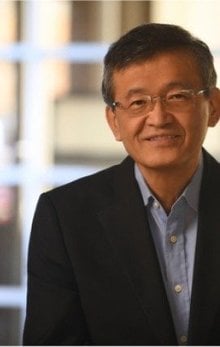
In 2025, the Government converted a US$9bn federal grant into equity in Intel through negotiations with Chief Executive Officer, Lip-Bu Tan. This transaction made the Government the largest shareholder in Intel with approximately 10% ownership.
Intel secures steady demand
The deal provides Intel's contract manufacturing division with a consistent order stream from one of the world's largest consumer electronics companies. Intel's reputation had fallen behind TSMC after the company delayed adopting Extreme Ultraviolet lithography.
This precision technology allowed TSMC to produce smaller and more efficient transistors. Supplying Apple requires Intel to maintain advanced manufacturing capabilities to meet performance standards for iPhone and Mac silicon.
According to Wall Street Journal reports combined with a strong first quarter earnings report, Intel's stock increased approximately 14% during an initial trading session. Shares added another 6% gain in three days later in premarket trading, reaching US$130.13.
The partnership aligns Apple's commercial requirements with US security objectives around domestic chip production. Intel adjusts its operations to serve both Apple's supply chain needs and government policy priorities for technology independence.


Executives
Lip-Bu Tan
Chief Executive Officer
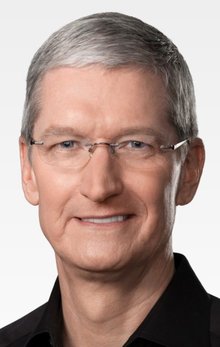
Tim Cook
Executive Chairman