
ASDA's Bio-LNG Fleet Expansion Drives Sustainability
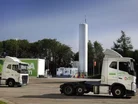
ASDA is taking significant steps in cutting its carbon emissions, focusing on sustainability across its supply chain and fleet operations.
The British supermarket giant has turned to Bio-LNG (liquefied biomethane) to help reach its net-zero goal by 2040, marking a new era in green logistics. This move not only aligns with ASDA’s long-term environmental strategy but also sets a benchmark for other UK retailers to follow.
In partnership with Gasrec, ASDA is expanding its use of Bio-LNG in its supply chain to reduce its environmental impact.
The fuel, produced from organic waste, plays a key role in reducing emissions generated during the transport of goods, helping to cut down on ASDA’s overall carbon footprint.
Through these efforts, ASDA positions itself as a leader in sustainable logistics, contributing to the wider industry shift towards eco-friendly operations.

Leading the transition to Bio-LNG
Bio-LNG, a renewable biofuel, sits at the heart of ASDA’s sustainability efforts.
Created by breaking down organic waste through a process known as anaerobic digestion, it produces biogas from which methane is extracted, purified and liquefied.
The resulting Bio-LNG offers 600 times the energy density of its gaseous form, making it an efficient fuel option for heavy-duty transport vehicles.
Although Bio-LNG technology has been around for more than a decade, its use is expanding as more companies recognise its potential.
ASDA has taken the lead by partnering with Gasrec to open two new Bio-LNG refuelling stations, bringing the total number across the UK to 13. These stations serve the UK’s largest fleet of Bio-LNG-powered trucks, with ASDA operating more than 780 vehicles on this cleaner fuel alternative.
John Rogerson, Central Fleet Operations Manager at ASDA, highlights the importance of this initiative: “LNG trucks are currently the leading alternative fuel option for operators like ourselves and, with more than 780 LNG vehicles, we operate the largest fleet of LNG-fuelled trucks in the UK.
"Our continued investment in a UK-wide LNG distribution network forms an essential part of our objective to reduce overall carbon emissions across our operations.”
This fleet transition is part of ASDA’s larger strategy to cut down its operational carbon emissions by 50% by 2025, a goal that complements its net-zero ambitions for 2040.
Since 2015, ASDA has already achieved a 41% reduction in these emissions, showing it's on the right path towards greener logistics.
Tackling Scope 3 emissions in the supply chain
While many companies focus on reducing direct emissions (Scope 1 and 2), ASDA’s Bio-LNG fleet addresses a wider issue: Scope 3 emissions.
These are the emissions generated from indirect activities, such as transporting goods in vehicles not owned or operated by the company. Specifically, ASDA targets Category 4 emissions, which are created during upstream transportation – moving products to ASDA distribution centres.
By using Bio-LNG trucks, ASDA significantly reduces the carbon footprint of its supply chain. Compared to diesel, Bio-LNG emits far less carbon dioxide and also reduces other pollutants like nitrogen oxide and particulate matter. These reductions not only make Bio-LNG a cleaner alternative but also contribute to improving air quality along the supply chain’s transportation routes.
An added benefit of Bio-LNG is the reduced noise pollution generated by these vehicles, particularly important in urban areas where noise from traditional engines can be disruptive.
The ripple effect of ASDA’s investment in greener fleet technology is expected to influence other retailers and transport operators.
Expanding sustainability to the broader supply chain
ASDA’s sustainability efforts don’t stop with its fleet; the retailer is launching a new sustainability-linked supply chain finance scheme in collaboration with HSBC UK.
Set to begin in January 2025, this programme will reward suppliers that adopt greener practices, further expanding ASDA’s commitment to environmental responsibility across its entire supply chain.
By encouraging suppliers to reduce their environmental impact, ASDA aims to create a more sustainable ecosystem of businesses that contribute to lowering emissions on a larger scale. This initiative highlights ASDA’s understanding that true sustainability requires collaboration across the supply chain, from manufacturers to transport operators and beyond.
“As one of the UK’s largest retailers, ASDA understands the urgency in the need to cut emissions from its fleet as we all work towards a more sustainable transport sector," adds James Westcott, Chief Commercial Officer at Gasrec.
"Bio-LNG remains a leading alternative to diesel for long-haul operations and will continue to be so for the foreseeable future.”
In choosing Bio-LNG, ASDA not only aims to meet its own corporate sustainability targets but also sets a powerful example for other retailers and businesses in the logistics industry.
With major players like Shell and TotalEnergies ramping up their bio-LNG projects globally, ASDA’s commitment could spark a broader shift towards renewable fuels in transport.
As James aptly states: “Bio-LNG is a real alternative to diesel and is crucial in helping us create a cleaner, greener future for transport in the UK.”
Check out the latest edition of Supply Chain Digital and sign up to our global conference series – Procurement and Supply Chain LIVE 2025.
Supply Chain Digital is a BizClik brand.