Volkswagen's Procurement: Supporting Supply Chain Stability

Volkswagen Group oversees one of the most complex and far-reaching procurement networks in the automotive sector, sourcing materials and technologies at volumes few can rival.
From battery minerals to semiconductors, the organisation's procurement strategy directly supports its goals in electrification, low-carbon manufacturing and supply chain stability.
With Dirk Große-Loheide at the helm of procurement across the group, the function plays a core role in balancing cost, risk and carbon. Volkswagen builds this on a global supply base, integrated data systems and a direct link between supplier awards and environmental performance.
Procurement underpins e-mobility and risk management
Volkswagen Group is a major global automotive manufacturer, selling millions of vehicles each year under brands including Volkswagen Passenger Cars, Audi, Škoda, SEAT/CUPRA and Porsche.
Operating more than 100 production sites worldwide, the company supports vehicle delivery across Europe, China and the Americas.
In supporting e-mobility, autonomous driving and battery-cell manufacturing, Volkswagen’s procurement teams handle sourcing for materials critical to electric vehicle (EV) production. These include lithium, nickel and cobalt, which are central to battery chemistry. Securing these inputs without exposure to environmental or human rights issues has become a key task.
Volkswagen adopts a Raw Material Due Diligence Management System across 18 high-risk materials. Suppliers must demonstrate clear traceability, ethical sourcing and data-backed risk controls. This policy shifts sustainability from an internal ambition to an external gate, shaping commercial decisions.

At the same time, the company supports long-term supply resilience by investing in secondary material streams. Its battery-recycling programme in Salzgitter exemplifies this approach. This site feeds recovered raw materials such as lithium and nickel back into production cycles, reducing both embedded carbon and sourcing dependency.
Volkswagen’s Responsible Raw Materials Policy aligns supplier expectations with international frameworks, ensuring upstream due diligence is not only monitored but enforced as a prerequisite for doing business. Battery supply chains, in particular, face enhanced transparency demands due to their exposure to high-impact materials and volatile markets.
Sustainability as a sourcing condition
Climate commitments across the group now guide procurement policy. Volkswagen task sourcing teams with supplier decarbonisation, targeting emissions hotspots like battery materials and cast components. Suppliers must provide emissions data, adopt renewable energy and present lower-carbon alternatives.
Procurement strategy reflects this by elevating suppliers that meet environmental, social and governance (ESG) expectations. As Volkswagen makes carbon transparency a condition of engagement, low-carbon production and verifiable ESG credentials become central to supplier performance.
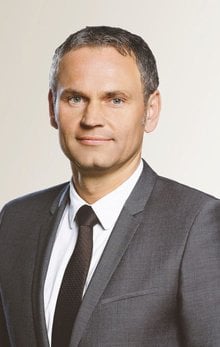
Dirk Große-Loheide confirms this direction. Since stepping into his role as Board Member for Procurement in early 2023, he has led efforts to improve visibility and cost control while embedding sustainability across sourcing.
He joined the Extended Executive Committee following years of purchasing leadership at Volkswagen Commercial Vehicles, SEAT and Volkswagen de México. Having started out in machine procurement in Wolfsburg, he brings cross-market experience to a global role now tasked with integrating policy and delivery across the group.
Following his appointment, CEO Oliver Blume said: "In Dirk Große-Loheide, we have won another procurement expert with international experience for this strategic key function in the brand and in the group."
Procurement resilience also includes managing exposure to geopolitical risk and advanced technologies. Volkswagen faces ongoing pressure to ensure semiconductor availability while maintaining cost discipline and continuity across complex global supply lines. The function avoids value-destroying price volatility while responding to regional shifts and material scarcity.
Cloud-connected factories improve demand signals
Digital infrastructure supports procurement performance across Volkswagen’s global footprint. A partnership with Amazon Web Services, for exmaple, underpins a cloud-based factory system linking dozens of production sites. This network enables real-time performance monitoring, demand alignment and leaner operations.
With higher-quality plant data and steadier demand signals, the procurement function integrates more closely with suppliers, reducing excess inventory and increasing supply chain visibility. This digital infrastructure creates a foundation for cost efficiency and risk mitigation across electrification programmes.
Volkswagen expects its suppliers to match this connectivity. Those able to support cloud-enabled factory models, present robust due diligence frameworks and meet emissions data requirements gain a competitive edge.
The message to suppliers is clear: transparency, data accuracy and sustainability are no longer optional. Suppliers that lead on these fronts are more likely to secure volume, partnership and long-term commercial benefit. Those who help de-risk critical materials or contribute to digital productivity will find a customer willing to collaborate over the long term.
Volkswagen offers a procurement model built around integration, resilience and emissions accountability. For automotive procurement teams navigating electrification and ESG demands, the company presents a blueprint: embed environmental performance into sourcing gates, enforce traceability and use scale to manage exposure across the value chain.