How Does the LME Warehouse Restructure Affect Supply Chains?
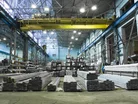
Metal supply chains around the world may be undergoing a significant shift to trade in the coming years.
This comes as the largest market for industrial metals, London Metal Exchange, is looking to change its warehouse storage regulations.
LME is open for consultation until November 21st regarding the planned restrictions.

What is LME?
Part of the HKEX Group, the London Metal Exchange (LME) is a financial services company and the world centre for industrial metals trading.
The majority of all non-ferrous metal futures business occurs on its platforms.
It oversees most of the world's business, helping companies avoid risk and make informed decisions about purchasing, based on the trusted prices from LME.
Using an expansive network of warehouses, LME ensures the prices within its markets are accurate to global supply and demand.
The company brings together participants from the physical industry and the financial community, creating a market where there is constant communication with constant purchasing and selling.
Due to its global network of LME-approved warehouses, it establishes itself as a trustworthy company due to the possibility of physical delivery.
The company enables metal producers and consumers avoid risk amid the rising and falling of world metal prices, and has been since 1877.
"In a year defined by shifting geopolitical dynamics and macroeconomic uncertainty, one thing remains clear: the metals industry continues to play a pivotal role in shaping our global future," said Matthew Chamberlain, Chief Executive Officer at London Metal Exchange in a LinkedIn post.
"The LME is nothing if not global. LME Week is a powerful reminder of the strength and diversity of our community – our members, clients, producers, warehouses and broader community from across the world. "
How is LME changing?
The LME is now making changes to its warehousing system.
It currently serves as a critical hub for global metals trading with more than 450 warehouses around the world.
More than ten years ago, the company used queue-based rent capping, which meant the storage owners could not charge more than 80 days of rent after the metal was requested for delivery.
Initially, this was in place to prevent extra warehousing fees but traders soon found loopholes which enabled them to avoid extra costs.
In recent years, physical metal is less available, meaning these services are in higher demand.
In 2024, queue times increased again, meaning LME needed to undertake warehouse reforms in order to prevent delays.
As a result, LME is introducing more thorough and more strict rules.
Shipments will be faster and the company will be more forceful against 'rent deals' which occasionally locked stock in the warehouses.
What is the impact?
The way LME manages warehousing in turn affects prices of metals as well as supply reliability.
It can change entire metal supply chains, altering how consumer and suppliers interact.
If the new regulations by LME means that more metals are being displaced faster, access to these products shifts and thorough strategies will no longer be followed.
These significant shifts could create price movement shifts and swing trading, causing unpredictable and unregulated trading.
Main products which will be affected include aluminium, copper and nickel.
As these metals are so necessary, the shifting of warehouse regulations is sure to impact supply patterns and pricing of these items.
In an era of persistent trade turbulence, LME changing its warehouse rules could stir up further volatility in the market.

Regarding queue issues, these are not limited to the individual trader. Rather, they ripple throughout the supply chain, into factories around the world.
Delayed metal to the factory means delayed or rushed production, which results in delayed product-to-consumer or less regulated product.
Shortages or price shifts affect global supply chains, contributing to inflation or issues in product assembly.
The company is undergoing a consultation period to discuss the changes to the regulations, which is open until 21 November.
Company portals

Executives
Matthew Chamberlain
Chief Executive Officer