Kvanefjeld Project Pause Threatens Supply Chain Independence
After 15 years of operation across its Kvanefjeld Rare Earth Element Project, Energy Transition Minerals is halting production due to legislation changes, creating significant uncertainty for western nations seeking to reduce their dependency on critical mineral imports.
The pause could have far-reaching implications for global supply chain resilience.
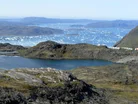
The Kvanefjeld rare-earth project could become a significant western world producer of critical rare earths, but governmental intervention has put the project on pause. Located in southern Greenland with year-round direct shipping access, the site represents a strategically placed mine for western markets.
However, Energy Transition Minerals is now working to renew its exploration licence after facing a trade halt from the Government of Greenland, leaving a potential gap in non-Chinese rare earth supply chains.

Energy Transition Minerals (ETM) is an ASX-listed company which aims to explore, develop and finance minerals necessary to a low carbon future.
It is working to develop strategic lithium and rare earth supply chains. Its Kvanefjeld Project in Greenland was designed to minimise local environmental impacts and develop strong community relationships.
Kvanefjeld has been positioned as a significant potential supplier of rare earths due to its low mining costs, simple processing and direct shipping ports. These factors could make the project particularly valuable for western nations seeking alternatives to dominant Asian supply chains.
Energy Transition Minerals has been active in the region for 15 years, ensuring transparency and engagement across its Kvanefjeld Project, but a recent change in government has resulted in the project being paused due to an unrenewed exploration licence.
Strategic resource development plans
On 26 March 2026, ETM celebrated the launch of its AU$10m (US$6.9m) exploration programme in Greenland across its Kvanefjeld REE Project. This followed a community meeting which provided local residents with planned project activities and information about the process.
It has submitted an application for field activities to the Mineral Licence and Safety Authority in Greenland, with plans of drilling up to 7,600m.
"We are pleased to have secured a highly experienced leadership team and contractors, many of whom are returning to Kvanefjeld," explained Daniel Mamadou, Managing Director of ETM.
"Further updates will be provided as mobilisation and drilling commence."
At the time, the company was confident that the Kvanefjeld Exploration Licence would be renewed in a short period.
ETM stated: "While the processing period has been longer than originally expected, the Company continues to engage constructively with the relevant authorities.
"The Company notes that licence renewals and extensions have generally previously been completed after the nominal expiry of the underlying tenure. The Company is not aware of any matters that would prevent the renewal from progressing in the ordinary course."
Supply chain disruption emerges
Despite this prior confidence, ETM released a statement on 30 March 2026 announcing a trading halt. On 1 April, the company announced the trading halt "came following receipt of correspondence from the Greenlandic authorities after ASX market close on 27 March 2026. The correspondence indicated uncertainty over the exploration licence for the Kvanefjeld Project, and that the licence may ultimately not be extended."
Following the halt, shares of ETM fell 5.6% to AU$0.051 (US$0.035), reflecting market concern over the potential loss of a western rare earth source.
The initial exploration licence formally lapsed on 31 December 2025, but ETM had submitted the extension request in September 2025. At present, no formal decision surrounding the future of the project has been made, but ETM is seeking clarification from the government.
According to ETM, the halting of exploration was unexpected, with no clear indication as to why this decision was made.
"This is a surprising development, particularly in the context of ETM's longstanding engagement in Greenland and our understanding of the licence extension process to date," Daniel said.
"We had been preparing to return this season and employ members of the local community as part of our exploration programme, and this uncertainty is therefore disappointing. The current situation is of concern, and we are seeking urgent clarification from the Greenlandic authorities.
"ETM remains committed to the Kvanefjeld Project and will take all appropriate steps to protect its rights and interests while continuing to engage constructively."
Critical mineral availability uncertain
A further update has been posted on 7 April 2026, whereby it explains the current decision from the government. According to ETM's company statement, the Ministry of Business, Mineral Resources, Energy, Justice and Gender Equality is recommending that the application be denied.
The Government of Greenland has reportedly signalled that the exploration activities at the Kvanefjeld Project no longer serve a purpose, as the licence cannot be granted under the current legislative framework. However, ETM argued this "represents a fundamental change in how the regulatory framework is being applied to existing licence holders, reflecting a policy-driven position."
According to ETM, the project has consistently met its obligations throughout its extensive exploration period, making it unsure as to why the government states otherwise. The company maintains that it has operated transparently and in full compliance with all regulatory requirements throughout its tenure in Greenland.
The denial recommendation has raised concerns among industry observers about the stability of mining regulations in Greenland and the potential impact on future investment in the region's critical mineral sector. Western governments have been increasingly focused on securing alternative sources of rare earths to reduce reliance on Chinese supply chains, making the Kvanefjeld situation particularly significant for strategic resource planning.
"The rationale outlined in the draft decision appears to be driven by a policy position that is itself under challenge and which raises serious questions as to its validity and applicability. In doing so, it brings one of the central issues in dispute into sharper focus and underscores the importance of the Company's ongoing legal proceedings in determining the outcome," Daniel said.
"ETM has invested in this project over many years, has met all its obligations, and has previously been granted licence renewals, including during the course of the active legal dispute and after the introduction of the Uranium Act.
"We remain committed to the Kvanefjeld Project and confident in our legal position. We will see this process through to its conclusion and take all necessary steps to protect our interests."
For now, ETM is working with the Greenlandic authorities to seek further clarification and attempt to overturn the decision. In the meantime, its attempts to establish itself as a western provider of critical rare earths is halted, leaving supply chain diversification efforts in question.
Company portals
Executives
Daniel Mamadou-Blanco
Managing Director