KKR to Sell Viridor: What it Means for Waste Supply Chains
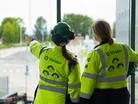
KKR, the global private equity and investment company, is gearing up to sell its £7bn (US$9bn) recycling group Viridor.
The move represents a significant turning point for European waste management, as it represents a willingness to invest in high-grade recycling facilities.
It's thought the UK waste management sector could see long-term collaboration from other countries, providing a richer supply chain ecosystem.
A lucrative sale
Global investment firm KKR has a business focus of "investing in people and communities" by working to help strengthen the future of people around the world.
In 2020, the firm bought Viridor in a £4.2bn (US$5.7bn) deal – one of the largest deals made in an unstable market during the COVID-19 pandemic.
Viridor is one of the UK's leading innovators in recycling, using cutting-edge technology in move to end waste completely. Every year, it processes more than 3.5 million tonnes of waste, supporting the green energy transition.
With Viridor's vision of a green future and an eagerness to implement innovation, an acquisition would likely prove very lucrative.
Potential buyers are already being mentioned, with Hong Kong-based multinational conglomerate CK Hutchison, London-based investor Equitix and investor Brookfield being discussed.
It's estimated KKR will sell Viridor for £7bn (US$9.4bn) in September.
Supply chain profitability
While focused on recycling and waste management, Viridor also has a carbon capture storage venture in North-West England.
In the fiscal year ending March 2024, the business achieved revenue of £579.4m (US$783.8bn) with pre-tax profits of £153.6m (US$207.8m).
However, the sale does not simply represent an infrastructure transition with financial benefits for involved parties. According to Bevin Tumulty, co-founder of WasteTrade, a global waste marketplace, the sale is "a turning point for mechanical recycling in the UK and Europe," which could reshape the waste management industry.
Bevin explains: "A buyer of this scale will bring the financial muscle to accelerate investment in next-generation MRFs, polymer sorting and high-grade mechanical recycling facilities. Expect faster deployment of automation, AI and capacity upgrades."
Viridor's vision is to to be the UK's "leading innovator of resource recovery and recycling, transforming waste for a climate-positive future".
A deal in the region of US$9.4bn would give it access to more modern technology and infrastructure, enabling it to turn vision into reality.
Viridor currently has 12 Energy from Waste facilities in the UK, while its Circular Solutions business has an operational site in Denmark as well as an R&D centre in Sweden.
Its Carbon Capture project at Runcorn EfW, which has officially received its permit, will allow Viridor to make energy from waste.
Viridor says: "Once complete, the project aims to capture over 900,000 tonnes of CO2 a year, offsetting the carbon footprint of the treatment of over a million tonnes of waste per year and generating important greenhouse gas removals."
The future of waste
Bevin explains that the European recycling sector is currently fragmented, but believes there is cause for optimism.
"A newly-capitalised Viridor could drive regional consolidation, influencing feedstock pricing, contract terms and access to high-quality post-consumer materials," she continues.
"EU and UK regulations are tightening recycled content mandates. This will push large recyclers toward food-grade PET, HDPE and polyolefins — locking in long-term supply deals with FMCG brands under pressure to meet sustainability targets."
Mooted deals such as this tend to bring a higher level of collaboration between countries, as well as an opportunity to explore new techniques.
As waste management is not a streamlined process, with each country adopting different methods, the deal has the potential to change how recycling works.
What's more, waste management companies around the UK could see an improvement to post-collection processes, thanks to potential future investment and new technologies. There's also potential for supply chain growth, both in terms of size and technological advancements.
Bevin concludes: "For recyclers, brand owners and policy makers, the Viridor sale is more than business news; it’s a signal to prepare for a more competitive, capital-intensive and innovation-driven market."