How K-Beauty Supply Chains Power US Skincare Surge
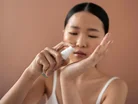
Since the 2010s, Korean trends have been asserting itself around the world, thanks to the popularity of K-pop and K-drama.
With this came a popularity in Korean skincare and other K-beauty products, with the desire to emulate the soft and dewy look of everyone's favourite idols - also known as a K-pop singer.
As K-beauty has taken off, emphasised by its popularity on social media and luxury-feel, more US brands are entering the K-beauty market, posing the question - can K-beauty products be made outside of Korea?

Why is K-beauty so popular?
According to KOISRA, a Korean based business consulting firm, the South Korean beauty market is valued at US$25bn. This makes it the fifth largest globally and the first in per capita spending.
In 2024, K-beauty product exports reached US$9.35bn, with Japan and the USA being the main markets. The popularity is explained by its transformative serums, innovative ingredients - such as snail mucin - and dedication to hydration. The industry has a strong understanding of marketing, with an emphasis on the high-quality of their products, a focus on their anti-aging properties or high-performance components and a targeting of Gen Z and Millennials.
K-beauty also understands the value brought to the market through celebrity status.
Olive Young, a leading player in K-beauty, has a K-Pop category within its product page and much of its marketing includes Korean celebrities discussing their skincare routines or must-haves.
"With market data, and strong partnerships spanning more than 20 years, we are creating a unique and differentiated shopping experience to allow more customers to enjoy healthy and beautiful lifestyles," says Sun Jung Lee, CEO of Olive Young.
The American takeover
When K-beauty first entered the western market, exports were at US$650m in 2011. Within six years, this had risen dramatically to US$4bn. Chasing the high, 2017 saw the launch of Seoul Ceuticals.
"We started to see this increase in growth in interest in K-beauty,and began developing a skincare brand to meet that demand… when we really saw it emerging in the US," says Seoul Ceuticals' Director of Retail Relationships Ann Majeski.
"It has been extremely successful. We expect to do over US$14m in sales in 2025. We've seen a global acceptance and demand for the K-beauty products."
Though making its products in the US, its products are sourced from South Korea. For Seoul Ceuticals, this is enough to label itself as a K-beauty brand. This is a point of argument for many, including Seung-Goo Kim, Co-Founder of Hwarang'.
"The products should be manufactured by a Korean manufacturer," emphasises Seung-Goo.
"The brand should develop its concept, and ideas, and products with a Korean perspective.
"That can come through in the ingredients, the design. Or cultural elements, basically anything that clearly connects to the brands to Korea, or at least reflects a Korean influence."
Industry hurdles
The latest boom of Korean skincare occurred at a volatile time for global markets, especially as South Korea witnessed a marker of 25% tariffs on all exports to the US in April. The country comprised 22% of all US beauty imports.
This was a concern for both Korean-based brands with a US presence and for US-based brands which sourced their products from South Korea.
Krave Beauty, an American-based company with South Korea-produced products, had to raise prices across its brand as a result of the 25% tariff.
Now, the US and South Korea have reached a trade deal, as both countries are reducing reciprocal tariffs from 25% to 15%. Following these lessened tariffs, the industry will less disrupted supply chains. As tariffs come down, so can the cost of products.
As South Korea continues with its innovation and marketing strategy, K-beauty is only set to grow further - especially as more US-based companies are embedding Korean products within their brands. The cosmetics industry is shifting, which leads us to wonder whether K-beauty will take the lead.
Company portals



Executives
Ann Majeski
Director, Retail Partnerships
Seung-Goo Kim
Chief Operating Officer/ Co-founder