How Is Ingka Group Building a Circular Supply Chain?
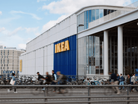
Ingka Group has expanded its circular economy strategy with the launch of its online second-hand furniture marketplace, IKEA Preowned in Poland.
The move follows trials in Spain, Norway and Portugal, positioning Ingka Group to engage with the growing second-hand market, a sector which was estimated to be worth US$29.9bn in 2024, according to Global Market Insights.
By creating a dedicated resale channel for its own products, the Swedish retailer is taking a major step in building a more circular supply chain model.
This initiative is a core component of Ingka Group’s wider business strategy, which has a focal point on circularity. Ingka Group, which owns and operates the majority of IKEA stores globally, is committed to transforming its business.
This marketplace model aims to extend the lifespan of its products, which could mean fewer items end up in landfills.
Such a change can have a notable impact on Ingka Group’s Scope 3 emissions, which are generated by suppliers and consumers, by creating a new purpose for products at their end-of-life stage.

Circularity and operational emissions
Ingka Group has a target to design all its products to be reusable, repairable, resold or recycled by 2030.
Establishing an online marketplace is a practical application of this goal. An online platform for second-hand goods could also contribute to a reduction in emissions associated with the construction and day-to-day running of physical stores, which further reduces Ingka Group’s environmental footprint.
This pivot towards a circular model addresses the entire product lifecycle, from design to disposal and eventual reuse.
The IKEA Preowned marketplace allows consumers to sell their used IKEA products, including items no longer available in stores. The service is designed to compete with established online resale platforms like eBay and Gumtree by simplifying the process for both buyers and sellers of IKEA goods. Sellers can list their pre-owned furniture by uploading photos and selecting a price.
Official product details and images are then appended to the listing from IKEA’s own product database, creating a streamlined and brand-consistent experience.
Resale marketplaces and the supply chain
The launch in Poland is the latest step in a wider rollout.
Mercedes Gutiérrez Álvarez, Global Head of IKEA Second-hand Platform, explains: “I’m so proud of the amazing team behind this, and especially grateful to our Polish colleagues for their energy, radical collaboration and spirit in making this launch a reality.
"Every market adds a new layer of learning, creativity and heart to what we’re building together.
“Our marketplace is more than a platform – it’s a movement that puts the power in the hands of the many. Here’s to new stories, new beginnings and furniture moving from one home to the next.”
This approach could allow IKEA to maintain a degree of control over its brand in the second-hand space while gathering data on product longevity and consumer resale habits.
Renewable energy investments
The second-hand marketplace is not Ingka Group’s only sustainability initiative in Poland. It has also invested in renewable energy infrastructure, creating its first solar park in the country to support the transition to renewable energy.
Located in Recz, the solar park features almost 53,000 solar panels and can cover the energy needs of more than 12,000 Polish households.
This project was developed by Enerparc, a European renewable energy project developer, in collaboration with Ingka Investments, the investment arm of Ingka Group. Ingka Investments now operates seven wind farms and one solar park in Poland.
This supports Ingka Group’s goal to use 100% renewable electricity across its retail operations by 2025.
Ewa Teodorczyk, Ingka Investments Country Manager in Poland, says: “The solar park in Recz represents another milestone in our long-term strategy for investing in renewable energy sources and strengthening energy security in Poland.
"By expanding our commitment to include solar technology, we firmly believe that the diversity of renewable energy sources is fundamental to building a more sustainable future.”
These investments in green energy power Ingka Group’s retail and logistics operations, further integrating sustainability into its Polish supply chain.
Company portals

Executives
Ewa Teodorczyk
Country Investment Manager Renewable Energy
Mercedes Gutiérrez Álvarez
Global Head of IKEA Second-hand Platform | New Business | Ingka NB AB