How are Maersk and Unilever Decarbonising Saudi Logistics?
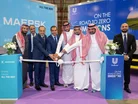
A.P. Moller - Maersk and Unilever are teaming up to bring sustainable logistics to Saudi Arabia with a new electric van.
The initiative is an important step towards decarbonising logistics and hitting Saudi Vision 2030 objectives.
The companies are working together to build sustainable supply chains across Saudi Arabia, Maersk and Unilever, with the combination of strong infrastructure and thorough logistics knowledge.

Building sustainable supply chains
Maersk is an integrated logistics company working towards simplifying supply chains and connecting people around the world. It has a net zero GHG emissions aim by 2040, implementing new vessels, technologies and lower GHG emissions fuels.
Currently, Maersk offers low-emission trucking solutions to companies in more than 14 countries around the world, including Chile, the USA, China and India.
Part of the company's method towards its 2040 net zero targets relies on close partnerships with customers and vendors.
Unilever also has a commitment of net zero across the value chain by 2039. Within this goal, it is reducing greenhouse gas emissions from its logistics network by up to 50% by 2030. For both companies, their decarbonisation strategies include the transition to electric vehicles, integrating sustainability measures across their logistics networks.
The joint venture to introduce electric vehicles to Saudi Arabia's logistics is sure to demonstrate the strength between a Maersk-Unilever partnership. Both companies will work to ensure the infrastructure is in place to support the scheme, with significant operational planning and stakeholder engagement to ensure this decarbonisation strategy works successfully.
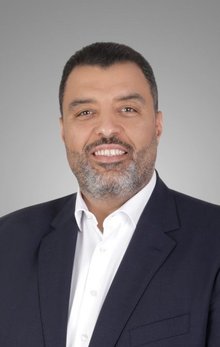
"As electric vehicle technology advances and charging infrastructure expands across Saudi Arabia, we're seeing more opportunities to deploy emission-free trucks in place of diesel units," says Ahmed Elesseily, Managing Director at Maersk Saudi Arabia.
"We're proud to partner with forward-thinking customers like Unilever, who are committed to decarbonising logistics solutions that deliver value throughout their supply chain."
Implementing electrification
The launch of this scheme helps Maersk, Unilever and Saudi Arabia across all of their decarbonisation goals.
Saudi Vision 2030 is working towards a thriving society with strong social infrastructure, a strong economy with a supporting business environment and a nation which is dedicated to efficiency and accountability.
Saudi Vision 2030 has sustainability objectives of reducing carbon emissions by 278 million tonnes every year and increasing renewable energy usage to 50%. The implementation of electric vehicles is part of a broader transformation of Saudi sustainability.
Maersk and Unilever both have plans to scale electric fleets across Saudi operations as well as the exploration of further innovations. This includes solar-powered warehousing and intermodal transport solutions.
The electric van will work exclusively with the BinDawoof Group, which is one of Unilever's main retail partners. The van will operate within a 50km radius and cover up to 3,500km per month. Maersk and Unilever have already successfully integrated warehouses into one fulfilment centre at Maersk's Logistics Park in Jeddah, which is already delivering a 5% emissions reduction.
The Park has a strong sustainability-focused infrastructure, which includes a 64,000sqm rooftop solar plant, as well as an advanced colling system using ammonia - a natural refrigerant solution - and seawater instead of potable water. This transformation demonstrates the successful integration of sustainability measures through this partnership.
"This is the first van deployment in our Saudi fleet, and it represents our commitment to reducing logistics-related emissions wherever feasible. This is another building block of our emission reduction plans in partnership with Maersk," adds Ahmed Kadous, VP of Customer Operations Pakistan, Turkey, Arabia and Bangladesh at Unilever.
"The electric van, combined with solar energy charging infrastructure, means we practically reduce emissions by 100% compared to a conventional truck. We’re proud to introduce this innovation in Saudi Arabia, supporting Saudi Vision 2030 and joining global efforts. By improving efficiency and cutting emissions, we strengthen sustainability while delivering greater value to our customers."
Maersk's supply chain decarbonisation journey includes a range of low-emissions transportation solutions, with growing investments into reduced-emissions solutions for end-to-end logistics.
Meanwhile, Unilever has a range of sustainability measures across its supply chain, including regenerative agriculture practices and prioritising renewable energy across its operations.


Executives
Ahmed Elesseily
Managing Director
Ahmed Kadous
VP Customer Operations PTAB (Pakistan, Turkey, Arabia, & Bangladesh)