Unilever: Empowering Farmers for Sustainable Soy Supplies
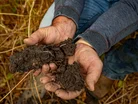
Unilever is working closely with farmers in Iowa to promote regenerative agriculture, a system of farming practices designed to restore and improve soil health.
With support from Practical Farmers of Iowa and partners like PepsiCo, the initiative links sustainable agriculture directly to Unilever’s soybean supply chain for products like Hellmann’s mayonnaise.
Through its STEP Up for Agriculture programme, Unilever continues to expand support for US farmers by providing access to tools, training and networks.
The effort strengthens the supply chain while encouraging farming techniques that protect the environment and boost long-term productivity.

Embedding sustainability into the supply chain
Unilever supplies foods, wellbeing and personal care products across global markets, and employs more than 128,000 people. Its impact on agriculture is just as wide-reaching.
With its focus now on regenerative agriculture, the company invests heavily in helping farmers adopt farming methods that support soil health, encourage biodiversity and build stronger rural communities.
The Iowa project is the company’s largest regenerative agriculture programme anywhere in the world. Unilever began working with Practical Farmers of Iowa in 2018, funding the organisation to offer evidence-based guidance and help build farming communities grounded in trust. These connections are essential to changing how supply chains operate on the ground.
Kristina Friedman, Head of Sustainability for Unilever North America, says: “Regenerative agriculture is a big part of how we’re building a stronger, more resilient supply chain and food system.
“STEP Up for Ag can help us move faster and smarter, empowering farmer-led groups with the tools they need and opening doors to more great partners that can grow our business.
“Our longstanding work with Practical Farmers of Iowa has been game-changing and this next chapter is a huge step forward.”
The company now supports more than 900 farmers in Iowa, covering more than 185,000 acres of farmland. These farms supply soybeans used in key Unilever products, directly linking regenerative farming to its food manufacturing business.
Expanding partnerships across agriculture
Unilever is not alone in this effort. In September 2025, Unilever and PepsiCo launched STEP Up for Agriculture with other food and retail businesses. This collaboration is designed to help scale regenerative agriculture across the US.
STEP Up for Agriculture brings companies together to support farmers by working with trusted local organisations. Instead of creating separate programmes, participating businesses align their resources to support farming communities with practical help. This includes funding, training, peer-learning and in-person workshops.
By sharing knowledge and investing in networks already serving farmers, the initiative aims to speed up the shift to sustainable practices. It also helps companies like Unilever and PepsiCo meet supply chain and sustainability goals by working at the source of their ingredients.
PepsiCo’s commitment to transitioning 10 million acres of farmland to regenerative practices by 2030 depends on such shared efforts.
Jim Andrew, Executive Vice President and Chief Sustainability Officer at PepsiCo, explains: “PepsiCo is rooted in agriculture, and farmers are at the heart of our food systems.
“STEP Up for Ag is about investing in the organisations that support farmers every day, aiming to ensure they can grow, innovate and lead the transition to more sustainable agriculture.
“When farmers thrive, we all thrive.”
Farming rooted in long-term thinking
Regenerative agriculture focuses on farming methods that restore and protect natural resources. In practice, this means techniques such as cover cropping, which involves growing specific crops that improve soil health between harvests, and conservation tillage, which reduces how much the soil is disturbed.
These practices help protect water quality, increase biodiversity and make farmland more resilient to extreme weather. For Unilever, they also help secure a more dependable source of crops by improving land health over time.
By embedding these practices in the soybean supply chain for Hellmann’s, Unilever connects consumer products directly to agricultural practices. This builds stronger ties between farmers and the global brands they supply, making sustainability not just a target, but a shared responsibility.
The STEP Up for Agriculture programme shows how collective support and collaboration at the ground level can create meaningful change across the supply chain. With more than 185,000 acres already under regenerative management in Iowa, Unilever’s focus is clear: long-term supply resilience starts with the soil.


Executives
Jim Andrew
Chief Sustainability Officer, EVP and Executive Committee member

Kristina Friedman
Head of Sustainability - North America