Exxon & QatarEnergy: EU Rules Risk Gas Supply Chains

ExxonMobil and QatarEnergy are warning that new European Union climate rules could disrupt their trade links with the bloc, forcing them to rethink their operations and global supply chains.
Both companies say the EU’s Corporate Sustainability Due Diligence Directive (CSDDD) creates compliance demands that stretch far beyond Europe and may not be workable in the fossil fuel sector.
The CSDDD introduces legal obligations for companies to identify and manage human rights and environmental risks across their supply chains – including those outside the EU.
In practice, that means firms such as ExxonMobil must audit and adjust operations in every country where they do business, not just inside the bloc.
This is where the supply chain pressure comes in. Oil and gas companies with global footprints now face legal exposure in Europe for harm or risk anywhere in the world.
At the same time, the law requires the creation of climate transition plans that align with the Paris Agreement, including commitments toward limiting global warming to 1.5°C.

The global impact of EU law
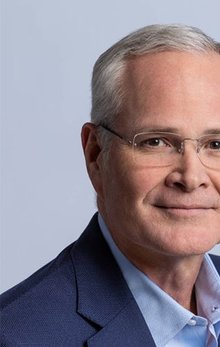
Darren Woods, CEO of ExxonMobil, told Reuters at the ADIPEC energy conference in Abu Dhabi that the new rules go too far.
"What's astounding to me is the overreach not only requires us to do that for the business that we're doing in Europe, but it would require me to do that for all my business around the world, irrespective of whether it touches Europe or not," he says.
He argues the extraterritorial scope makes compliance unmanageable and threatens the company’s entire position in the region.
"It becomes impossible to stay there," he adds, if regulators try to enforce the law worldwide.
The rules also carry financial risks. The EU plans to fine companies up to 5% of their global turnover for violations.
For ExxonMobil, the world’s 13th largest company, this creates major cost exposure. Over the last 10 years, Exxon has invested more than US$23bn in the European market, but Darren now says that future involvement could be on the line.
The CEO claims that forcing fossil fuel companies to commit to Paris-aligned climate plans is not technically feasible. If the EU pushes ahead, ExxonMobil may decide to exit the European market altogether.
QatarEnergy raises threat to gas supply
QatarEnergy is taking a similar line. At the same ADIPEC event, its CEO, Saad al-Kaabi, says the company might halt liquefied natural gas (LNG) deliveries to Europe if the new rules go ahead.
"We can't reach net zero, and that's one of the requirements, among other hosts of things," says Saad, who also serves as Qatar’s energy minister.
Like ExxonMobil, QatarEnergy is not calling for exemptions – but wants what it sees as a balanced market framework.
"We would love to serve Europe. We have been committed to Europe," says Saad.
"We're not asking for anything special, we're saying we want to compete in a market that is fair."
His argument reflects how deep the link is between trade, compliance and supply planning. Since Russia’s 2022 invasion of Ukraine, the EU has cut off Russian gas and replaced it with imports from the US and Qatar. Qatar now accounts for between 12% and 14% of European LNG, while ExxonMobil plays a part in the 50% share from American producers.
Both companies have responded by increasing shipments to Europe, with QatarEnergy also holding long-term LNG contracts with Shell, TotalEnergies and ENI. Any move to scale back deliveries would not only hurt revenues but also expose Europe to renewed energy volatility
Energy and compliance priorities collide
At government level, the US and Qatar have already urged the EU to reconsider. Their concern is that if major suppliers pull back over regulation, energy security across the bloc could weaken.
Negotiations on the final CSDDD text continue, with the European Parliament agreeing to further talks. The EU hopes to conclude the process by the end of the year. But neither side is moving yet
For now, ExxonMobil and QatarEnergy are clear: unless the EU adapts the rules to match the commercial and logistical reality of global energy trade, the legislation could force a rethink of supply routes and market priorities.
Whether lawmakers choose to keep the pressure on or dial it back remains unresolved. The standoff continues to place climate policy and energy trade in direct confrontation — with Europe’s long-term supply chain stability hanging in the balance.