Beko: Creating a Circular Economy with Reverse Logsitics
Global home appliance company Beko is extending a sustainability initiative that gives products a second life by optimising its reverse logistics and refurbishment operations.
Through its Reduce-Refurbish-Recycle programme the company is scaling up a system to handle returned appliances and reintroduce them to the market, creating a circular supply chain.

Founded in Istanbul in 1955, Beko has grown into the largest white goods company in Europe, reaching a consolidated turnover of €10.6bn (US$12.4bn) in 2024.
Beko's portfolio includes 22 brands such as Beko, Hotpoint and Hitachi, with products sold in more than 130 countries.
This scale makes the management of returned goods a complex logistical undertaking.
Optimising the circular supply chain
Beko is scaling its Reduce-Refurbish-Recycle programme, an integrated returns and refurbishment system designed to transform returned appliances into high-quality second-life products at a factory scale.
This circular model is designed to cut waste and cost by keeping products and materials in use for longer.
The programme also makes essential home appliances more accessible due to lower costs, while maintaining standards of performance and safety.
In 2024 centres in the UK, Italy and Romania refurbished more than 114,000 appliances and were resold at up to 30% below the retail price.
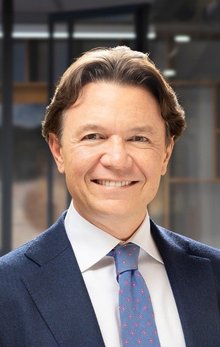
"Refurbishment is one of the smartest ways to reduce waste while delivering the high standards our customers expect," says Beko Chief Executive Officer, Hakan Bulgurlu.
"It’s a clear example of our commitment to building a more sustainable future."
Scaling refurbishment networks
Beko has zero-waste-to-landfill operations in its Peterborough UK facility and is expanding its refurbishment networks in Italy and Romania.
These centres are crucial hubs in Beko's circular supply chain strategy, as the Peterborough refurbishment centre in the UK holds an inventory of more than 100,000 spare parts and manages 55 different packaging types. It also applies quality audits to up to 30% of refurbished units from various product categories.
This demonstrates a detailed approach to managing the reverse logistics of diverse and complex appliances. Beko is also growing its refurbishment plans across Europe.
In Romania Beko is aiming to reintroduce more than 75% of processed products back into circulation. In Carinaro Italy more appliances across various categories are being refurbished and reintroduced.
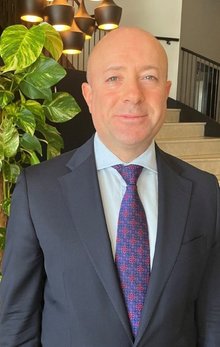
"Refurbishment is about more than repairing appliances - it's about extending lifecycles, reducing waste, and giving consumers access to reliable, affordable products," explains Fatih Özkadı, Chief Sustainability, Quality and Customer Care Officer.
"By investing in advanced refurbishment centres across Europe, we are proving that circularity can drive both sustainability and create value for households, while expanding our programme to localise access to second-life Beko appliances through outlet shops and partner routes - ensuring refurbished units are available where demand is highest and consistent quality is maintained across every market."
Integrating customer care with logistics
The efficiency of this circular supply chain begins with customer care. The programme uses engineer visits or remote diagnostics to resolve issues where possible, extending product life and reducing returns that could have been simple fixes.
This upstream intervention helps to manage the flow of goods entering the reverse logistics system.
Products that do enter the refurbishment cycle are tested, repaired with quality parts and re-audited to ensure they perform safely and reliably. This creates a closed-loop system that is beneficial for business operations and the customer.
This model also responds to a change in consumer priorities towards sustainability. By managing the entire process from customer interaction to repair and resale, Beko’s circular strategy is designed to save money for consumers and the business.
Company portals

Executives
Fatih Özkadi
Chief Sustainability, Quality and Customer Care Officer
Hakan Bulgurlu
Chief Executive Officer