Supply Chain's Role in Barnes & Noble's Stunning Resurgence
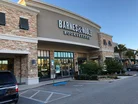
Barnes & Noble is something of a leader in its field. In fact, no other US bookseller has more retail outlets.
However, as is well documented, the organisation has been experiencing a period of decline, with dwindling store numbers over the course of 15 years.
Now, thanks to the popularity of online spaces, such as BookTok and BookTube, many bookstores around the world are seeing an increase in sales – including Barnes and Noble.
A period of uncertainty
After a 15-year period of declining store numbers, Barnes & Noble now finds itself in a position of rapid growth.
In 2024, the company opened 57 stores across the US – more than it opened in the entirety of 2009-2019.
Having already opened 30 more sites in 2025, and with plans to open at least 60 in total, Barnes & Noble is being lauded for creating thousands of jobs across the US.
Seven new bookstores are opening in July, with one in Abilene, Texas set to display almost 20,000 sq ft of books, toys and games for its customers.
James Daunt, CEO of Barnes & Noble, says: “We are very pleased to open this beautiful new Barnes & Noble in Abilene.
“Texas hosts more Barnes & Noble bookstores than any other state — and yet the nearest to Abilene is over 150 miles away. We are proud to add Abilene to the new fleet of Barnes & Noble bookstores we are opening across the country.”
The company’s latest successes are made all the more impressive by looking at its past struggles–between 2015 and 2019, annual sales at Barnes & Noble had declined US$700m.
A company shift
Prior to James joining the company, publishing companies would pay Barnes & Noble to display their books in prime locations.
But, as these books weren’t popular with consumers, Barnes & Noble was returning around 30% of its books to publishers.
Once James took over as CEO in 2019, he put a halt the practice and individual stores were able to take control over their book selection. By 2024, the return rate had dropped to just 7%, saving the company millions of dollars in shipping and labour costs.
During the pandemic, however, Barnes & Noble temporarily closed 400 of its stores and as similar businesses around the world took a major hit to sales.
Bookselling moved online and, while such sales soared for Barnes & Noble during the pandemic, they have since dropped back to pre-pandemic levels.
Why the consumer boom?
Online book spaces saw phenomenal growth in light of COVID-19. Platforms like Bookstagram (Instagram), BookTok (TikTok) and BookTube (YouTube) saw the increase of an online book community in an unprecedented way.
This, in turn, resulted in a dramatic rise in consumerism, as more people were able to see recommendations from other readers and authors were using these spaces to promote their books.
This has only grown over the years. One genre which has seen a major boom in both production and sales is the ‘romantasy’ genre – romantic fantasy.
Authors such as Rebecca Yarros (The Empyrean series) and Lauren Roberts (Powerless) have capitalised, with their books going viral thanks to their use of popular tropes and online reader reaction.
Bookshops like Barnes & Noble have leaned into this social media trend, allowing them to thrive where online sellers cannot through dedicated 'As seen on TikTok’ and ‘BookTok Made Me Buy It’ sections.
This strategic marketing has drawn in a whole new consumer base, allowing physical booksellers to thrive.
Neil Saunders, Managing Director of GlobalData Retail, comments on this side of bookselling: “Amazon recommendations are driven by an algorithm. That’s fine and it works to a certain extent. But it doesn’t have the same personal touch as when you go into a Barnes & Noble, where you can receive a personal recommendation, and there are handwritten recommendation cards from members of staff who work in the store.”
Barnes & Noble is enjoying a golden era, regaining its physical footing and expanding across the US.
By gaining better control of its supply chain and the books it displays, this iconic business has positioned itself to thrive once more.