Hurricane Melissa: Inside Amazon’s Disaster Logistics
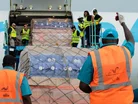
Hurricane Melissa, a Category 5 storm, has devastated Jamaica and is causing widespread destruction across the Caribbean.
With winds and rain tearing through Jamaica, Cuba, the Bahamas and Bermuda, the death toll stands at 65 while hundreds of thousands more have lost power.
As the public sector begins emergency operations, Amazon is moving fast to activate its global disaster relief infrastructure, turning its logistics network into a life-saving force.

Logistics infrastructure built for speed
Amazon maintains 15 disaster relief hubs worldwide – all stocked with emergency supplies and ready to ship within hours.
One of those sits in Georgia, US, and has become central to the company’s response to Melissa. From this base, Amazon coordinates shipments of tarpaulins, blankets, medical devices and other urgent items. These are sent by both air and ocean freight, depending on what local conditions allow.
The company’s Head of Disaster Relief, Abe Diaz, explains: "Amazon's approach to supporting communities starts with listening to local organisations about what people actually need.
“We’ve positioned donated emergency supplies at our Atlanta Disaster Relief hub to use Amazon's logistics capabilities to get them to communities quickly. What matters most is that these supplies reach the right places at the right time to support community-led recovery efforts.”
The method reflects Amazon’s long-term logistics strategy: deploy fast, work local, stay adaptable. With fulfilment centre workers packing supplies and operations leads tracking deliveries in real time, the company shifts into emergency mode almost instantly.
Kara Hurst, Amazon’s Chief Sustainability Officer, adds: “Watching Amazonians across teams step forward to help is an inspiring reminder that our greatest strength is our people.
"Amazonians are problem solvers by nature – in the face of challenges, they act.”
Technical support alongside physical aid
Amazon is also supporting core infrastructure recovery, especially communication networks and power.
Internet access and electricity remain essential for both emergency coordination and community resilience. Many areas remain cut off in the aftermath of the storm, with roads destroyed and telecommunications damaged.
Kara explains: "We're serving as a technology advisor to help restore power and internet connectivity as quickly as possible. The catastrophic infrastructure damage has isolated many communities, so we're coordinating emergency donations for delivery by both ocean and air."
Amazon is teaming up with two organisations focused on this side of the recovery. The Information Technology Disaster Resource Center supports first responders by helping restore connectivity, while the Footprint Project deploys solar-powered generators and off-grid technology. This ensures basic power and digital access can be restored temporarily until governments and agencies begin longer-term rebuilding.
Collaboration across aid groups
At the heart of Amazon’s model is cooperation. Its Disaster Relief team works alongside six humanitarian partners, many of them with specialist expertise in emergency response. These include the World Food Programme, which is providing food assistance, and the International Organization for Migration, handling water, sanitation and shelter services.
Global Empowerment Mission delivers critical items such as hygiene kits and clothing within hours of arrival, and Good360 helps route corporate donations to the smaller organisations working directly in affected neighbourhoods.
By aligning logistics capability with aid sector knowledge, Amazon helps bridge the space between large-scale supply and on-the-ground delivery.
"It's hard to find the right words in describing the humanitarian disaster caused by Hurricane Melissa," Kara says.
"More than 30 people have died, hundreds of thousands across the Caribbean are without power and we don't yet know the extent of all the destruction. My heart is with everyone impacted and I'm grateful Amazon's Disaster Relief team can quickly mobilise to help."
The company stresses that staff safety comes first. Dedicated internal teams manage alerts, monitor conditions and share critical updates across departments, allowing the operation to continue in high-risk environments.
Hurricane Melissa now ranks as the strongest storm of 2025, with a clear link to extreme weather risks driven by climate change. The Caribbean region, with its dense coastal populations and fragile infrastructure, faces long-term challenges beyond the immediate recovery.
Jamaica, hit directly by Melissa’s full force, is beginning what is likely to be a complex and lengthy reconstruction process.
While aid efforts continue, Amazon is using its global reach and logistics strength to help stabilise and support communities in the path of the storm.
Company portals


Executives
Abe Diaz
Head of Disaster Relief
Kara H. Hurst
Vice President, CSO, Worldwide Sustainability