Aluminium Tariff Relief: Ford vs the US Government
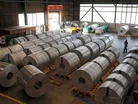
The interruption to domestic aluminium sheet supplies in the US has exposed the vulnerability of automotive manufacturers to single-supplier dependencies.
Ford Motor has recorded a US$2bn loss from two fires at a Novelis facility in New York during 2025 and expects to spend an additional US$1bn on imported aluminium.
The carmaker petitioned US government officials for relief from aluminium tariffs until the damaged plant returns to full service, according to people with knowledge of the conversations who spoke to the Wall Street Journal.
The administration of US President Donald Trump has denied these requests from Ford and other manufacturers.

Domestic supplier capacity constraints
Novelis, a subsidiary of Hindalco Industries, is the largest domestic supplier of sheet aluminium to US car manufacturers. The company's Oswego plant in New York is Novelis' first US operation and its largest fabrication facility in North America.
The plant is equipped for aluminium scrap remelting and recycling, ingot casting, hot and cold rolling and finishing. Its output was affected by multiple fires in 2025 which impacted the hot mill area needed for sheet aluminium production.
Ford relies on the Oswego facility for the exterior of some vehicles, including the F-150 truck which is the company's most popular model. Novelis products are featured in more than 315 car models for brands such as GM, Honda, Hyundai and Volkswagen.
The concentration of supply through a single facility could show the structural risks in automotive aluminium sourcing networks.
Alternative sourcing under tariff pressures
Steve Fisher, President and Chief Executive Officer of Novelis, says of the fires: "We are aggressively leveraging our global footprint and third-party sources to serve our customers while we simultaneously restore the Oswego plant to full operation. Based on work to-date, we expect to restart the Oswego hot mill late in the second quarter of calendar 2026."
According to the Wall Street Journal, Novelis has been compensating for lost production at Oswego with aluminium from its plants in Europe and South Korea. The company's imported metal is subject to a 50% tariff.
Ford Motor Chief Executive Officer Jim Farley says in the company's 2025 Earnings Call: "On the bottom line, we generated US$6.8bn of adjusted EBIT for the full year. This includes US$2bn headwind for Novelis fires and the net tariff impact of US$2bn.
"That's a US$1bn higher tariff impact than we communicated just in October due to the unexpected and late year change in tariff credits for auto parts."
Recovery timeline remains uncertain
The discussions between Ford and government officials form part of ongoing conversations between automakers and the administration about the impact of tariffs, according to the Wall Street Journal report.
According to Ford's Q1 Sales Release, the company expects the Novelis recovery plan to be uneven, with more volume recovery in the second half of the year. The timeline for full restoration of domestic supply capacity remains dependent on the hot mill restart.
The situation could mean extended reliance on international supply chains subject to tariff costs. Ford's projected US$1bn expenditure on imported aluminium reflects the financial impact of shifting from domestic to international suppliers under the current tariff regime.
The ability of manufacturers to absorb supply disruptions while managing tariff-related costs could show the complexity of maintaining production continuity in regulated trade environments.
Company portals



Executives
Jim Farley
Chief Executive Officer
Steve Fisher
Chief Executive Officer and President