
UK Trade in 2025: Challenges, Tariffs and Global Expansion
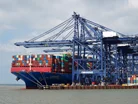
Global trade disruptions, enhanced by factors like climate events and geopolitical tensions, have exposed vulnerabilities in supply chains. Organisations must embrace diversified sourcing, regionalisation and nearshoring to help tackle delays, rising costs and material shortages.
As we navigate the uncertainty of 2025, President Donald Trump has imposed tariffs that alter global trade and supply chains, including a 25% import tax on all aluminium and steel entering the US. This has strained industries that rely on these materials, such as construction and automotive.
There is also a 25% tariff on goods from Canada and Mexico and a doubled supplementary tariff on Chinese imports. China’s response of adding tariffs on U.S. energy and agricultural exports has catalysed greater costs and tensions for businesses.

However, the UK may avoid the impact of these trade tensions. Prime Minister Keir Starmer and President Donald Trump recently met to discuss a potential US- UK trade deal.
Ongoing tensions throughout the Red Sea continue to add to the unpredictability of the global landscape. Houthi vowed to continue to target Israeli ships and any vessels that have indirect or direct ties to Israel (such as the UK and the U.S.). This is even though they indicated that the group would stop attacks on most vessels throughout the Red Sea.
According to the World Economic Forum’s latest Chief Economists Outlook, 93% of chief economists surveyed predict supply chain restructuring will disrupt trade patterns over the next three years and 56% suggest the global economy will be under pressure in 2025.
This instability has altered supply chains, increased production costs and added to inflated pressures worldwide.
The importance of supply chain resilience and flexible logistics strategies
UK businesses face numerous challenges in international trade this year, emphasising the need to enhance supply chain resilience and implement flexible logistics strategies to effectively manage future disruptions.
“The ability to weather disruptions is crucial for success this year, and effective logistics planning will be a key component in achieving that," explains Umar Butt, CEO of the UK and Europe at Aramex.
“Although some factors will remain beyond their control, businesses can still take proactive steps to mitigate or even avoid the impact of potential disruptions, whether that be because of geopolitical issues, climate change, trade tariffs or potential retaliations."
A resilient supply chain ensures continuity by nearshoring production, diversifying production and utilising digital tools for real-time visibility.
Flexible logistics strategies, such as adaptive inventory management and multi-modal transport options, help businesses to respond effectively to changing market conditions.
Organisations that focus on resilience can reduce costs, mitigate risks and maintain customer satisfaction despite external changes.
Umar continues: “Adaptability and resilience are key. Those that invest in flexible, future-proofed logistics solutions will be best positioned to navigate disruptions. To facilitate this, multimodal solutions will likely take centre stage in international logistics, enabling businesses to build resilience by reducing reliance on single trade routes or transport modes.
“In a year which is likely to see a continuation of volatility and instability, multimodal solutions, which combine road, sea and air transport, offer a more malleable logistics method to help businesses navigate disruptions more effectively, while also minimising delays. This is reinforced by their ability to optimise costs by balancing speed and affordability – which is especially poignant given that businesses are currently looking to cut costs at every opportunity.”
What potential does international trade hold in 2025?
UK businesses are embracing international trade to navigate the fluctuations in trade markets.
International trade improves economic growth by fostering innovation, expanding markets and creating jobs while allowing businesses to optimise supply chains.
With the right policies, trade can improve global resilience, cooperation and inclusive economic development.
According to Santander, more than 52% of UK businesses believe trading overseas was a key growth driver, with 39% of organisations thinking about expanding abroad in the next three years – up from 17% the year before.
A Lloyds bank survey also found that the majority of UK businesses expect a positive start to 2025 and believe their turnover will increase.
Umar adds: “This year we are confident that businesses will look to extend their reach beyond domestic borders in order to identify new commercial opportunities and drive growth.
“The Middle East and North Africa, for example, continues to offer a wealth of opportunities, with strong demand for British goods and services, a growing digital economy and significant investment in infrastructure and trade. As companies look to diversify their customer base, we expect these markets to gain increasing traction over the next 12 months and beyond.
“There’s clearly a strong appetite in the private sector for international trade, but success will depend on having the right partnerships and infrastructure in place to support growth. In particular, getting the logistics aspect of their operation right will be crucial this year, especially for businesses which will look to navigate an increasingly complex global trade environment for the first time.”
Explore the latest edition of Supply Chain Digital Magazine and be part of the conversation at our global conference series, Procurement & Supply Chain LIVE.
Discover all our upcoming events and secure your tickets today.
Supply Chain Digital is a BizClik brand.