Iberdrola: Sustainable Supply Chains for Rail and Freight
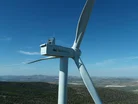
Iberdrola strikes a long-term wind energy agreement with Renfe, extending its support for cleaner, more efficient freight and rail operations across Spain.
The 10-year virtual power purchase agreement (VPPA) secures 370 gigawatt-hours (GWh) annually of onshore wind electricity, aimed at covering a substantial portion of Renfe’s energy demand.
This deal holds particular weight for Spain’s logistics and transport sectors, which are navigating pressure to reduce carbon emissions and increase energy stability.
The virtual power purchase agreement does not involve physical delivery of electricity. Instead, it matches the renewable output from Iberdrola’s wind assets to Renfe’s electricity consumption through financial contracts.
These agreements have become a go-to mechanism for large industrial consumers looking to lock in energy pricing while reducing their carbon footprint.
In this case, Iberdrola continues to expand its presence as Europe’s largest corporate VPPA provider, while Renfe aims to bolster its decarbonisation and energy risk management.

Logistic supply chains
From a supply chain standpoint, the Iberdrola-Renfe deal aligns with the growing trend of logistics operators sourcing energy directly through long-term contracts.
By doing so, they not only mitigate risk in volatile electricity markets, but also streamline sustainability reporting and compliance with ESG frameworks.
David Martínez, Director of Iberdrola Clientes España, says: "With this agreement with Renfe we contribute to highlighting the value of zero-emission electrification in the transport sector, which is responsible for more than a third of energy consumption in our country.
“Collaborations like this are essential to support the development of a renewable electricity mix. PPAs, through their different modalities, are a key tool for customers who want to secure renewable energy at a fixed price and in the long term."
The demand for electricity in freight logistics continues to grow as rail operators expand their electric locomotive fleets and invest in infrastructure.
Spain already boasts that more than 80% of its rail traffic is electrified, and the country is among Europe’s most productive in terms of wind energy generation.
This agreement highlights how rail freight can further shift away from fossil fuels and help rebalance Spain’s transport emissions profile. The country’s rail system helps reduce in excess of two million tonnes of CO2 each year.
Freight electrification plans
The deal builds on Renfe’s existing position as one of Europe’s cleanest rail operators. Since 1990, the firm has lowered its CO2 emissions per transported unit by over 90%, due to widespread use of electric traction and network upgrades.
However, long-term decarbonisation still requires stable, renewable energy inputs. By linking directly to wind generation, Renfe now secures a fixed cost supply for a decade, shielding it from pricing swings while reinforcing its ESG credentials.
Spain’s broader logistics and rail freight strategy, tied into the national "Plan de Recuperación, Transformación y Resiliencia", involves €7bn (US$8bn) to upgrade and electrify infrastructure.

Government plans also call for doubling the share of freight moved by rail - from just 5% today - by 2030.
Better links between freight corridors, ports and high-speed lines are being prioritised to meet both domestic and EU net zero transport targets by 2050.
This backdrop makes the Iberdrola-Renfe agreement not only a financial hedge but a strategic component in Spain’s logistics modernisation.
Rail freight remains an underused tool in the country’s logistics network, and electrification is only part of the challenge. More power is needed, and it must be clean and affordable.
Agreements like this bring the supply side into closer coordination with long-term transport planning.
Supply chain visibility
Renfe’s financial planning team notes that direct contracting for renewables gives the company more visibility and control over its operating environment.
Marta Torralvo, General Economic-Financial Director at Renfe, says: "This agreement represents a new step in Renfe's energy management roadmap. Through this contract, renewable energy production projects are promoted, while Renfe's energy price is stabilised, which we consider very positive for the company's management."
She adds: "The high volatility of energy prices was causing significant alterations and uncertainties in the evolution of results and in this way these costs are predictable. Agreements such as the one signed with Iberdrola help us to move forward on this path."
Marta also points out that Renfe’s entire operation - from freight to passenger services - consumes far less energy than road or air alternatives.
"It should be noted that Renfe trains make up the passenger and freight transport system in Spain that consumes the least energy per unit transported. In fact, their carbon footprint is between 20 and 30 times lower than emissions from cars or planes."
Explore the latest edition of Supply Chain Digital Magazine and be part of the conversation at our global conference series, Procurement & Supply Chain LIVE.
Discover all our upcoming events and secure your tickets today.
Supply Chain Digital is a BizClik brand.