
IMO to Impose Global Carbon Levy on Shipping by 2028
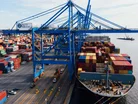
The shipping industry is on course for its first global carbon levy. The International Maritime Organisation (IMO) votes to bring in a pricing system for carbon emissions, targeting one of the world's most polluting sectors.
The policy applies a fee of US$380 per tonne of high-emission fuels, with an extra US$100 for emissions that go beyond designated limits. The system introduces carbon credit trading between ships and is scheduled to launch in 2028.
Shipping carries around 90% of global trade and contributes roughly 3% of worldwide greenhouse gas emissions.
If counted as a country, international shipping would rank as the sixth-largest emitter. The new policy has been described as a "historic moment" in climate governance. However, for many developing nations, the outcome is a disappointment.
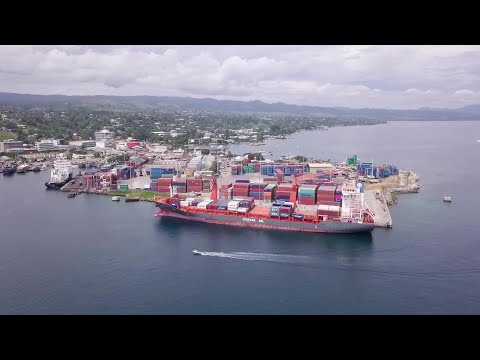
A global agreement, but with deep divides
Supporters say the levy is a crucial step to push shipping towards cleaner operations. The carbon credit trading aspect, where ships can trade emission allowances, aims to reward efficiency and accelerate the shift to low-emission fuels.
However, the vote exposes deep divisions in how countries view responsibility for the climate crisis.
A group of 24 developing nations, including the Republic of Fiji, the Republic of the Marshall Islands, Tuvalu, the Republic of Seychelles and the Republic of Vanuatu, express open frustration after the vote.
In a joint statement, they argue the outcome "would do too little, too late to cut shipping emissions and protect their islands".
These small island states, some of the most at-risk places on the planet due to sea level rise, had pushed for a flat levy aligned with the 1.5°C warming limit — one that would charge every tonne of carbon at the same rate.
Analysts suggest this would have raised as much as US$60bn each year. In contrast, the current agreement is expected to generate around US$10bn annually.
That money will go back into the shipping sector. It will not be redirected to vulnerable nations or used to address the impacts of climate change on those already facing its worst effects.
Ralph Regenvanu, Environment Minister of Vanuatu, is blunt in his criticism.
“Let us be clear about who has abandoned 1.5°C,” he says. “Saudi Arabia, the US and fossil fuel allies pushed down the numbers to an untenable level and blocked progress at every turn.”

The US pulls out as opposition stays entrenched
The United States walks away from the process entirely in the final stretch. Just days before the agreement is finalised, the US withdraws from negotiations. In a formal statement, it claims it “rejects any and all efforts to impose economic measures against its ships based on GHG emissions or fuel choice”.
A leaked diplomatic cable reveals the US actively lobbied its allies to “reconsider their support” for the plan and warned of “reciprocal measures” if American-flagged ships were subject to the levy.
Meanwhile, countries like Saudi Arabia, Qatar and Russia vote against the deal. China and Brazil, previously opposed, decide to back the compromise. In the end, the proposal passes with a vote of 63 in favour to 16 against.
The split highlights the complex geopolitics of climate policy. While the levy passes, the way it does reflects a widening rift between high-emitting countries and those seeking greater action to safeguard their futures.
Targets lowered, urgency remains
The levy may be the first of its kind, but its climate impact is limited. Consultancy UMAS projects the policy will cut emissions by 8% by 2030.
That falls well short of the IMO’s stated goal of reducing emissions by at least 20% within the same timeframe.
Environmental groups and developing nations say the watered-down terms make it harder to reach net zero by around 2050, the target set by the IMO.
Questions also hang over the carbon trading system, especially for countries without the infrastructure to retrofit ships or access to cleaner fuels.
Details on how the collected funds will be managed are still unclear. There is no guarantee of additional support for nations most exposed to the climate emergency. This absence of funding mechanisms is a sticking point for governments watching their coastlines disappear.
Antony Derjacques, Minister for Transport for the Seychelles, puts it plainly. “The developing countries with the greatest need came here and offered a solution,” he says.
“How can the other major economies ask us to take a weak deal home to our people, who are suffering as a result of the climate crisis? And how can they take it back to their own constituents?”
Explore the latest edition of Supply Chain Digital Magazine and be part of the conversation at our global conference series, Procurement & Supply Chain LIVE.
Discover all our upcoming events and secure your tickets today.
Supply Chain Digital is a BizClik brand.