Inside DP World’s Carbon-Cutting Supply Chain Shift
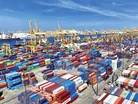
DP World, one of the largest logistics operators in the world, has cut its emissions by 15% since 2022, according to its 2024 ESG Report.
Behind this drop lies a shift in how the company runs its global supply chain. Rather than treating sustainability as an external project, DP World embeds it across every operation – from port management to logistics and marine services.
The results are being felt not only within its own business but across the supply chains of tens of thousands of customers.
“The journey to a sustainable future is critical,” says Sultan Ahmed Bin Sulayem, Group Chairman and Chief Executive of DP World.
“As a leader in global trade, we recognise that achieving meaningful change requires sustained innovation, strong partnerships and a clear commitment to our targets.”
Integrating sustainability into every shipment
DP World's logistics network spans six continents and connects with more than 50,000 employees across ports, terminals and inland services.
Emissions have fallen through several changes. The company has introduced more electric vehicles across its fleet, uses biofuels in place of conventional diesel and continues to shift freight away from trucks towards rail and barge transport. These choices reduce emissions directly tied to how goods move through global supply chains.
Rail transport in particular has become a priority, used to strengthen connections and reduce reliance on carbon-intensive road transport.
At the same time, artificial intelligence supports smarter logistics by cutting waste. DP World uses AI to optimise shipping routes and manages energy consumption through high-efficiency warehousing.
More than half the electricity used by the company, 65%, now comes from renewable sources. That’s a considerable jump in clean energy adoption, given the infrastructure demands of operating ports and logistics hubs on six continents.
These developments feed directly into Scope 3 emissions reductions – the kind that sit outside a company’s direct control, usually in their supply chains. Because DP World serves so many global manufacturers and retailers, these efforts ripple outward, helping thousands of businesses reduce their own environmental impact.

Tying climate goals to finance
It’s not just technology and operations that are changing. DP World is also redirecting how it raises and uses capital to help meet environmental goals.
The company issued a US$100m Blue Bond in 2024 – the first by a logistics firm in its region – with proceeds aimed at ocean conservation and supporting the so-called blue economy, a term used to describe sustainable use of ocean resources for economic growth.
Alongside that, the business published its first Green Sukuk Impact and Allocation Report. This outlined how US$1.17bn has been channelled into green assets, with an emphasis on low-carbon logistics and sustainable infrastructure.
This financial strategy aligns with the validation of DP World’s climate targets by the Science Based Targets initiative (SBTi), making it the first logistics business in its region to reach this point.
Resilience through responsibility
Sustainability at DP World extends beyond emissions and efficiency. The “Our World, Our Future” strategy includes supply chain ethics, health and safety and local community investment.
Education, water and women’s empowerment are central themes in DP World's social programmes. Through partnerships with WaterAid and Bridges to Prosperity, the business supports clean water access and infrastructure in underserved areas.
The DP World Foundation, launched in 2022, helps fund initiatives linked to health, education and food security.
These community projects are not disconnected from logistics. When local economies become more resilient, global supply chains become more stable. Plus, with climate change already damaging ports, roads and infrastructure, DP World is pushing to protect both trade and the people who depend on it.
Explore the latest edition of Supply Chain Digital Magazine and be part of the conversation at our global conference series, Procurement & Supply Chain LIVE.
Discover all our upcoming events and secure your tickets today.
Supply Chain Digital is a BizClik brand.