
Altana: What the Updated UFLPA List means for Supply Chains
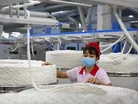
The US Department of Homeland Security (DHS) has expanded its Uyghur Forced Labor Prevention Act (UFLPA) Entity List, adding 37 new companies from Asia.
This move, the largest since the law’s introduction in 2022, blocks imports from these entities due to their ties to forced labour in China.
Altana’s analysis reveals 18,210 global businesses, including more than 2,200 in the US, are linked to these companies through their supply chains.

Forced labour crackdown intensifies
The latest update to the UFLPA Entity List signals a growing effort to eliminate forced labour from supply chains.
Among the 37 newly added companies are a major supplier of critical minerals and one of the world’s largest textile manufacturers, both operating in China. Their inclusion brings the total number of entities on the list to 144.
The Biden administration prioritised the issue, aiming to protect US businesses and consumers from goods linked to human rights violations.
Former United States Secretary of Homeland Security Alejandro Mayorkas states: “In adding 37 companies to the UFLPA Entities List and bringing the total to nearly 150, we again demonstrate our relentless fight against the cruelty of forced labour, our unwavering commitment to basic human rights and our tireless defence of a free, fair and competitive market.”
Altana, which analyses global supply chain data, has found that 18,210 businesses worldwide — 2,223 of them in the US — have exposure to the newly sanctioned entities.
Retail and apparel sectors are particularly affected, making up 66% of the exposed US companies. Cotton remains a key focus for enforcement, as China’s Xinjiang region produces more than 90% of the country’s cotton and accounts for roughly 20% of global output.
Companies face growing compliance risks
For businesses sourcing from China, the risks are mounting. Of the 37 newly listed entities, 26 are in the cotton industry, including Huafu Fashion Co., a major textile supplier to well-known Western brands.
The other 25 companies are Huafu subsidiaries, meaning their involvement in any supply chain could result in shipments being detained at the US border.
Altana’s analysis also identifies at least 500 companies that had no prior exposure to forced labour concerns but are now implicated through their supply chains. These businesses span various sectors, including fashion and solar energy, and operate across multiple countries, from Germany to Taiwan.
The crackdown means that any company unknowingly sourcing materials linked to Xinjiang could face supply chain disruptions and reputational damage.
Previous investigations have already raised concerns about forced labour links in the fashion industry.
In 2022, German researchers found traces of Xinjiang-sourced cotton in garments from Adidas, Puma and Hugo Boss. Despite the findings, the brands denied sourcing cotton from the region. Puma stated: “We strongly insist on the fact and reconfirm that Puma does not source any cotton from the Xinjiang region.”
Meanwhile, Hugo Boss maintained it does not tolerate forced labour in its supply chains.
However, an investigative report from German public broadcaster NDR detailed how isotope analysis confirmed that "the ‘fingerprints’ of the cotton in the garments are very similar to the cotton samples from Xinjiang and can be clearly distinguished from other cotton-growing regions.”
Navigating compliance challenges
US Customs and Border Protection has already blocked nearly US$1bn in imports over the past two years due to suspected UFLPA violations, from a total of US$3.68bn in reviewed shipments.
Businesses must now act quickly to determine whether they are at risk of fines, shipment detentions and reputational harm.
Altana’s platform offers a solution by mapping product value chains, identifying exposure risks and allowing businesses to collaborate directly with suppliers and regulators.
Companies using Altana’s data can assess supply chain risks dynamically and submit goods for pre-clearance, reducing the likelihood of border delays.
With compliance expectations rising, businesses must ensure transparency across their supply chains. As regulatory scrutiny increases, the cost of failing to act could be substantial.
Explore the latest edition of Supply Chain Digital and be part of the conversation at our global conference series, Procurement & Supply Chain LIVE.
Discover all our upcoming events and secure your tickets today.
Supply Chain Digital is a BizClik brand.