Myanmar Tragedy Exposes Fragility in Fashion Supply Chains
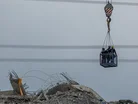
A powerful 7.7-magnitude earthquake struck central Myanmar on Friday (28 March), throwing an already vulnerable fashion supply chain into turmoil.
With factories damaged, workers displaced and production disrupted, the disaster has highlighted the precarious nature of global sourcing.
Brands that rely on Myanmar’s garment industry now face major logistical and ethical challenges, as concerns grow over both immediate relief efforts and the long-term future of manufacturing in the region.

A critical sourcing hub
Myanmar has become a critical sourcing hub for major fashion brands, but this latest disaster has put its role in the industry under intense scrutiny.
Reports indicate that multiple factories have been severely damaged, with some collapsing entirely. Production has stalled and the ripple effects are being felt far beyond Myanmar’s borders.
For brands that rely on strict production timelines, the impact could be extremely costly. Delays in manufacturing mean shipments may not arrive on time, leaving retailers scrambling to adjust supply chains.
Companies like H&M, Frasers Group, BESTSELLER and Inditex, whose brands include Zara and Pull&Bear, all have ties to Myanmar’s factories. The disruption could result in financial losses and stock shortages, putting additional pressure on an already volatile industry.
The human cost, however, is even greater. Thousands of workers, many of them women, have been left without jobs, homes or access to essential resources.
The UN has stepped in, with the World Health Organization (WHO) sending nearly three tonnes of medical supplies to hospitals in Mandalay and Nay Pyi Daw. The UN Office for the Coordination of Humanitarian Affairs (OCHA) stated on X: "People urgently need shelter, medical care, water and sanitation support. This disaster puts more pressure on already vulnerable people facing an alarming crisis."
The situation is especially dire for women and girls, who are at increased risk during humanitarian crises.
Jaime Nadal Roig, UNFPA Representative for Myanmar, highlights these risks: "In emergencies like this, women and girls face increased risks, from compromised access to life-saving maternal healthcare to heightened risk of gender-based violence."
Ethical concerns in fashion supply chains
Even before the earthquake, Myanmar’s garment industry had been plagued by allegations of labour abuses.
The Business & Human Rights Resource Centre (BHRRC) tracked 108 incidents involving 80 international fashion brands in just four months of 2024—an average of nearly one per day. Since the military coup in 2021, the total number of recorded abuse allegations has risen to 665, linked to 187 brands.
- Unsafe working conditions: 66% of cases involved health and safety risks, particularly affecting women.
- Mandatory overtime and excessive workloads: 62% of cases detailed exploitative work demands.
- Harassment, intimidation and abuse: 55% of cases reported mistreatment by employers.
- Wage theft and reduced pay: 53% of cases involved workers being underpaid or denied wages.
- Gender-based violence and harassment: 47% of cases reported instances of abuse targeting women.
- Child labour: 13% of cases included reports of children working under the same conditions as adults.
What happens next?
The earthquake has left brands with a critical decision; continue sourcing from Myanmar or shift production elsewhere?
Some companies may look to diversify supply chains, moving manufacturing to countries with more stable environments. Others might invest in rebuilding efforts, supporting workers and ensuring safer factory conditions.
One thing is clear—this disaster has exposed the vulnerabilities in fashion’s global supply chain.
Ethical sourcing, worker protection and supply chain resilience can no longer be afterthoughts. Brands that fail to address these issues risk not just supply chain disruptions but also reputational damage in an industry where consumer awareness of labour conditions is growing.
Explore the latest edition of Supply Chain Digital Magazine and be part of the conversation at our global conference series, Procurement & Supply Chain LIVE.
Discover all our upcoming events and secure your tickets today.
Supply Chain Digital is a BizClik brand.