Capgemini: Supply Chain's Impact on the Battery Industry

The battery industry is striving to meet burgeoning demand for electric vehicles (EVs) and energy storage systems.
But, as well as growing, the sector must adapt to emerging technologies and business models.
The Capgemini Research Institute's latest report, The Battery Revolution: Shaping Tomorrow's Mobility and Energy, sheds light on this seismic shift.
It shows that, despite the industry's rapid growth, several obstacles loom large. From sourcing sustainable raw materials to enhancing the efficiency of the recycling processes, challenges span the entire supply chain.
Innovation in battery chemistry
Lithium-ion is the frontrunner in the battery market, known for its reliability, scalability and established supply chains.
Yet, the search for alternatives is extensive, with solid-state batteries leading the charge. These batteries offer higher energy densities and improved safety, which could revolutionise the market.
"Innovation is driving a sustainable and competitive battery industry, with advancements in technologies and alternative chemistries improving performance and longevity," explains Pierre Bagnon, Global Head of Intelligent Industry Accelerator at Capgemini.
"At this transformative time, while European and North American manufacturers are navigating production ramp-ups and exploring the next generation of batteries, a solid and scalable digital foundation will be crucial for the industry's future."
Challenges in scaling production
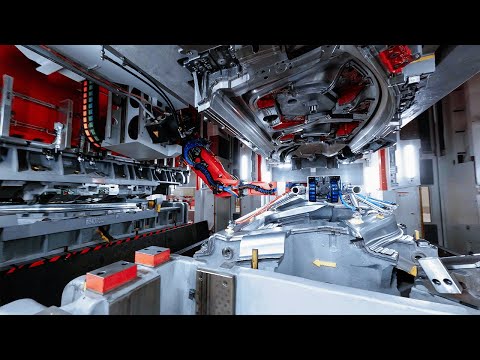
The industry is under pressure to enhance production capabilities, with 76% of manufacturers needing to upgrade or establish new production lines to incorporate emerging battery technologies.
More than half face significant delays when establishing and ramping up gigafactories (59%) and struggle to secure a stable supply chain (53%).
Furthermore, ongoing economic uncertainties deter substantial investments.
A striking 60% of organisations report a shortage of skilled workers, with a pressing need for expertise not only in battery technology but also in data analytics to enhance production efficiency.
Fostering new business models
The battery sector is enabling a slew of innovative business models.
Within the mobility industry, nearly two-thirds of companies are exploring battery leasing and battery-as-a-service (BaaS) models, allowing EV owners to simply rent batteries. This approach, coupled with battery-swapping solutions, being investigated by 64% of firms, could broaden EV adoption.
In the energy sector, more than two-thirds (69%) of businesses are integrating or planning to integrate BaaS solutions. These innovations aim to increase the efficiency of renewable energy systems by pairing them with versatile battery solutions.
However, such advancements require robust grid infrastructure and diverse battery types to cater to varying storage needs.
As battery technology permeates industries like aviation and shipping, its potential to transform traditional fleet operations and transportation is increasingly recognised. Innovations including battery-powered electric vertical take-off and landing aircraft (eVTOLs), electric ships and heavy-duty battery-powered vehicles are already gaining traction.
Digitalisation comes to the fore
The surge in demand across various sectors positions the battery industry at a critical juncture. While lithium-ion batteries will maintain their dominance short-term, the advent of solid-state and other innovative chemistries herald a new era.
However, the transformation extends beyond technological advancements. A strong emphasis on digitalisation, collaboration across the industry and sustainable practices is essential for this evolution.
With advancements in digital solutions, such as the European digital battery passport initiative, the industry aims to track the environmental impacts through a battery’s lifecycle, aiding in sustainable decision-making.
The ongoing shift towards next-generation batteries is imminent. It is integral for the industry to navigate the imminent challenges associated with supply chain management, scalability of production and economic viability to ensure a sustainable future powered by batteries.
Explore the latest edition of Supply Chain Digital Magazine and be part of the conversation at our global conference series, Procurement & Supply Chain LIVE.
Discover all our upcoming events and secure your tickets today.
Supply Chain Digital is a BizClik brand.