Why Waitrose is Changing its Fish Supply Chain Strategy
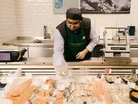
Waitrose has become the first UK supermarket to suspend mackerel sourcing from its supply chain, implementing new procurement criteria that could reshape supplier relationships and product availability across its stores.
The decision follows environmental advice on stock sustainability and demonstrates how regulatory guidance can trigger significant supply chain restructuring.
The retailer's procurement team has stopped sourcing mackerel in response to concerns about overfishing, a move that affects its entire Scottish supplier base and requires rapid product category management to maintain customer choice.
The suspension takes effect from 29 April 2026 for fresh, chilled and frozen lines, with tinned products remaining available until existing inventory depletes.

Procurement criteria drives supplier changes
In September 2025, the International Council for the Exploration of the Sea (ICES) recommended that North-east Atlantic mackerel catches should be cut by 70% to help rebuild the stock to a sustainable level. In December, four of the Coastal States agreed to cut mackerel catches by 48%.
While this represents progress, it does not meet ICES advice. Waitrose has determined that, from May 2026, North East Atlantic mackerel will no longer meet its responsible sourcing requirements in line with the Sustainable Seafood Coalition's (SSC) codes of conduct.
All Waitrose North East Atlantic mackerel is sourced from Scottish waters. The procurement decision affects the retailer's entire mackerel supply base, though Waitrose has stated it will maintain long-term relationships with these suppliers despite the temporary suspension. No specific date for resuming sourcing has been set.
Speaking at the Waitrose Food System Transformed Conference on 26 February 2026, Jake Pickering, Head of Agriculture, Aquaculture & Fisheries at Waitrose, says: "By suspending sourcing of mackerel at Waitrose we are reinforcing our ethical and sustainable business commitments, acting to tackle overfishing and protect the long-term health of our oceans and this crucial fish.
"Our customers trust us to source responsibly, and we are closely monitoring the fishery. We look forward to bringing mackerel back to our shelves once it meets our high sourcing standards."
Rapid product range restructuring
To mitigate the supply gap, Waitrose's buying team is launching alternative products from April, working with existing suppliers to introduce new lines including Hot Smoked Herring, Hot Smoked Peppered Herring and Hot Smoked Sweetcure Seabass—the latter representing a supermarket innovation first.
The retailer will also introduce frozen sardines in May as a certified sustainable replacement for frozen mackerel. The new selection features:
- Waitrose Scottish hot smoked herring (Marine Stewardship Council certified)
- Waitrose Scottish hot smoked peppered herring (MSC certified)
- Waitrose hot smoked sweetcure seabass (Supermarket first, Aquaculture Stewardship Council certified)
- Waitrose hot smoked trout with dill & lemon (Royal Society for the Prevention of Cruelty to Animals assured)
- Waitrose frozen sardine fillets (MSC certified)
The procurement strategy demonstrates how retailers can leverage existing supplier partnerships to develop alternative product lines when environmental criteria impact sourcing decisions. Waitrose continues to source its herring, seabass, sardines and trout through existing partnerships.
Dr Joanne Lunn, Head of Health & Nutrition at Waitrose, says: "Whether it's sardines or herring from our new smoked fish range, we are bringing the same high quality and great taste our customers look for.
"These products offer a powerful nutritional profile and health benefits that mirror closely those of mackerel. They are natural sources of omega-3 which helps to maintain normal functioning of the heart, brain and vision, making it effortless to incorporate functional, nutrient-dense foods into your daily routine."
All sustainability, net zero and sustainable procurement leaders should attend:
- Procurement & Supply Chain LIVE: The Net Zero Summit - QEII Centre, London, March 4-5
- Procurement & Supply Chain LIVE: The US Summit - Navy Pier, Chicago, April 21-22
Co-located with Sustainability LIVE, these events brings together CPOs, CSCO, CSOs, ESG leaders and senior decision-makers at a moment when sustainability, supply chains and commercial performance are increasingly interconnected.
Tickets can be booked online today for The Net Zero Summit and The US Summit. Group discounts available.
Certification standards across supply base
Setting a new benchmark for sustainability, Waitrose will become the first UK retailer to offer 100% MSC-certified tinned sardines across seven product lines. Starting February 2026, the MSC blue eco-label will appear on all sardine tins, reflecting a broader move to ensure all sardines, whether canned or fresh from the fish counter—are sourced from certified sustainable fisheries.
The certification requirement could influence procurement practices across the sector, as retailers face pressure to demonstrate sustainability credentials throughout their supply chains.
Marija Rompani, Director of Ethics & Sustainability at the John Lewis Partnership, says: "Responsible fishing is not a standalone issue for us - it sits within our wider Ethics and Sustainability commitments, including our net zero ambitions, zero deforestation goals, biodiversity protection and our work to set science based targets for nature.
"We believe sustainable food production must balance climate action, nature protection and responsible fish sourcing is fundamental to protecting our oceans. We will continue to work closely with suppliers and industry partners to support the recovery and responsible management of fish stocks."
Company portals


Executives

Jake Pickering
Head of Agriculture, Aquaculture and Fisheries

Joanne Lunn
Health and Nutrition Lead
Marija Rompani
Director of Ethics and Sustainability