
The UK Solar Boom: How War in Iran is Changing Energy Demand
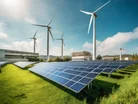
The US-Israel conflict with Iran is creating significant disruption to renewable energy supply chains, as surging demand for solar panels threatens to outpace manufacturing and logistics capacity across the UK market.
The escalating tensions in the Middle East are creating a dual crisis for the renewable energy sector. While geopolitical instability drives record demand for solar technology, the same conflict could be undermining the global supply chains required to meet that demand, potentially leaving UK households facing extended delays and increased costs.
Since joint airstrikes on Iran began at the end of February 2026, around one-fifth of the world's gas and oil has been effectively removed from circulation. This disruption is rippling through manufacturing and logistics networks worldwide, affecting not only traditional energy markets but also the production and distribution of renewable technologies that many see as the solution to energy insecurity.

Manufacturing costs are rising
The conflict's impact on supply chains extends far beyond oil and gas. Higher fuel, feedstock, insurance and freight costs are raising production and transport costs across the global economy, including for solar panels, batteries and wind components. These increased expenses could threaten the economic viability of renewable installations at precisely the moment when demand is surging.
According to data from renewable energy specialist Glow Green, demand for solar panels has surged 182% year-on-year, a spike that directly mirrors the escalating tensions in Iran. This dramatic increase in orders is placing unprecedented pressure on manufacturers and installers who are simultaneously grappling with elevated input costs and logistics challenges.
"With global tensions rising and the situation in Iran putting pressure on fuel and energy prices, we may be on the brink of another shift in the UK's renewable energy market," says Lloyd Greenfield, founder of Glow Green.
The situation presents a complex challenge: the conflict is simultaneously driving demand for renewables and making them harder to produce and ship. Manufacturing facilities face elevated costs for raw materials and energy, while shipping routes are subject to increased insurance premiums and potential delays.
Sustainability, procurement and supply chain leaders won’t want to miss Procurement & Supply Chain LIVE, taking place at Navy Pier, Chicago, on April 21–22.
Co-located with Sustainability LIVE: The US Summit, the event unites senior decision-makers at a time when supply chains, sustainability and business performance are more interdependent than ever.
Secure your place now for The US Summit – group booking discounts available
Previous shortages offer warnings
Lloyd draws instructive comparisons to recent supply chain disruptions. "During the Ukraine conflict, rising wholesale gas prices led many homeowners to seek renewable alternatives, triggering an unexpected solar panel shortage across the UK," he explains.
That 2022 crisis caught many consumers off guard, leaving some households waiting months for installation as supply chains struggled to respond to the sudden spike in demand. The post-Ukraine rush on solar panels demonstrated how quickly manufacturing and logistics networks can become overwhelmed when geopolitical events drive rapid shifts in consumer behaviour.
"If current trends continue, we could see a similar pattern emerge again where growing demand for solar panels outpaces supply," Lloyd warns.
The logistics challenges extend throughout the supply chain. Components manufactured in Asia face longer shipping times and higher freight costs, while European manufacturing capacity remains constrained. Installer networks are already reporting difficulties in securing inventory, with lead times beginning to extend beyond normal parameters.
Industry analysts suggest that manufacturers are struggling to scale production quickly enough to meet the sudden surge in orders. The combination of elevated raw material costs and constrained shipping capacity means that even established suppliers are facing unprecedented challenges in fulfilling commitments to UK installers and consumers.
Alternative solutions face constraints
Some have suggested expanding North Sea gas production as an alternative approach, though this strategy faces its own supply chain limitations.
"Calls to 'just use more North Sea gas' are false comfort," says Christophe Williams, the Chief Executive of Naked Energy.
"UK produced gas is sold at international prices, so it does not insulate us from global shocks. And the remaining reserves are nowhere near large enough to protect the UK from disruption in global supply routes. The durable answer is to cut gas demand with renewables and efficiency."
However, achieving that transition depends on maintaining functional supply chains for renewable technology. Lloyd emphasises the temporal dimension of the challenge.
"Supply and demand constraints can change rapidly in times of uncertainty," he says.
"And as energy prices climb, we predict more households are likely to explore solar as a long-term way to stabilise their energy bills."
For those considering solar installations, pairing panels with battery storage means energy can be stockpiled during the day and used during peak-price evening hours, though battery supply chains face similar pressures to panel manufacturing networks.
Beyond solar, Lloyd urges homeowners to take a broader view of their energy resilience. Practical steps include using a smart meter to identify which appliances are drawing the most electricity, draught-proofing doors and windows and upgrading to a smart thermostat that heats only the rooms in use.
"Households that plan will be better prepared if supply becomes tight," Lloyd concludes.
"Families across the UK are already seeking quotes, checking stock and upgrading their homes, showing that early action can make a real difference in managing energy bills and avoiding last-minute stress."
The conflict may be geographically distant, but its impact on manufacturing and logistics networks is arriving at the doorstep. Those who act quickly may secure installations before supply chain pressures intensify further.
Company portals



Executives

Christophe Williams
CEO

Lloyd Greenfield
Founder