
Could Bird Flu Threaten Turkey Supplies this Holiday Season?
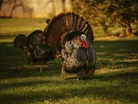
Whatever your wintertime celebration, a bird is most likely on the table – with all the trimmings.
But now the rise in avian influenza cases across the UK is putting pressure on supply chains that move turkeys, chickens and ducks into the Christmas market.
Traders, wholesalers and hospitality buyers alike are following the spread closely, because every case affects the flow of birds through transport, processing and distribution networks that must run without interruption to meet seasonal demand.
These systems are vital as Americans consume around 22 million turkeys on Christmas Day and nearly 46 million turkeys on Thanksgiving. Meanwhile, in the UK 10 million turkeys are consumed every holiday season. Any disruption to this could mean a disruption to celebrations – and, of course, retailer brand reputation.

Supply chains tighten as cases rise
Around 50 confirmed cases of two avian influenza strains were registered on the Animal and Plant Health Agency register from the start of October. This figure sits well above the same stage last winter when the agency records 81 cases of the highly pathogenic avian influenza strain, a term for virus variants that spread through flocks rapidly and trigger mandatory culls.
It still sits below the 2022 to 2023 period, which records 207 cases, yet the curve is moving upward quickly enough to unsettle buyers.
The tightest pressure sits around organic and free range birds, a category for poultry kept with outdoor access and therefore exposed to wild birds that carry the virus without symptoms.
Import routes add another layer to consider; supplies from Europe and South America usually feed into UK festive capacity and disruption at those points affects the wider market.
Richard Griffiths, CEO of the British Poultry Council, captures the mood: “We are looking at increasing numbers of cases and it is a bad season, much worse than last year.”
His members move millions of birds through a chain that involves on-farm rearing, catchers, hauliers, slaughterhouses, cold stores and retailers. Every infection site shuts down movement in and out of its zone, which means the chain must reroute trucks, reschedule processing slots and handle cost increases.
Transport restrictions follow confirmation of infection. Each affected farm sits inside a three kilometre protection zone and a ten kilometre surveillance zone, terms that describe areas where movements are either banned or require strict licensing.
All poultry inside the protection zone must be “humanely culled”. These controls exist on premises in Suffolk, East Riding of Yorkshire, Pembrokeshire and others, and each zone forces supply chain planners to redraw distribution maps for birds moving into the Christmas market.
Hospitality buyers brace for disruption
Pressure extends beyond farms and processors into hospitality. Restaurants, pubs and hotels rely on wholesalers that lock in seasonal poultry months ahead.
Rachel Dobson, Managing Director of Lynx Purchasing, says the market enters an “unusually difficult” Christmas.
She adds: “Avian flu means there are shortages of supply from both Europe and South America, which supply much of the seasonal demand for turkeys in the UK market. Some suppliers have been reluctant to commit to turkey pricing this year, or even to guarantee supplies at all.”
She warns that “operators may end up receiving fewer turkeys than they ordered, being sent smaller birds, or even being told that no supplies are available.”
Her comments highlight how supply chain tension at the production end filters into catering. When importers hesitate to confirm loads, wholesalers cannot forecast volumes, and without firm capacity they cannot promise portion sizes to chefs who plan festive menus. This creates a supply chain loop where uncertainty moves backwards and forwards between producers, distributors and operators.
The UK produces around eight million turkeys each year. Slaughter for Christmas begins weeks ahead, but fresh whole birds stay on farms longer before processing. That timing makes the sector vulnerable because any infection after housing creates an immediate gap that cannot be filled from domestic or imported stock.
Containment rules reshape logistics
Mandatory biosecurity rules now operate across England, with measures starting in early November.
Farmers with more than fifty birds must house them, a term for keeping flocks indoors to separate them from wild bird contact. These rules push producers to adjust ventilation, feed delivery and muck collection schedules because indoor housing changes the movement of workers and farm vehicles.
Hauliers must follow disinfectant procedures at each pick-up to avoid cross contamination that could close more sites.
A Defra spokesperson adds: “We do not anticipate any overall impact on the availability of Christmas turkeys or other seasonal poultry for consumers.”
The spokesperson adds that the department continues to monitor the outbreak and urges all bird keepers to follow housing rules. This line signals confidence that existing stock and imports near the UK border will support supply chains if containment holds.
Yet the pressure remains clear. Each new case introduces delays, new routing, compliance checks and licensing steps that slow down the transformation of live birds into chilled or frozen retail products.
With rising infections and the festive peak approaching, the chain that links farm to table must absorb every disruption in real time.
Company portals


Executives

Rachel Dobson
Managing Director

Richard Griffiths
CEO