
Behind TotalEnergies' Integrated Multi-Energy Model
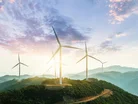
TotalEnergies runs off a multi-energy model which connects each value chain within the business.
The model helps ensure business diversity while also meeting each criteria and challenge of the transition to clean energy.
Through this business style, TotalEnergies is working towards building resilience in a turbulent market and ongoing sustainability throughout its value chain.

The multi-energy model
TotalEnergies is a multi-energy company, producing oil and biofuels, natural gas and green gases, renewables and electricity. It works across 130 countries to inspire innovation and energy transition.
The company runs on an integrated multi-energy model, covering all the value chains of the energies it produces and distributes. This means, as a company, it is fully connected with its suppliers and partners, allowing it to sustain and diversify its business operations. As energy transition can be complex, this connectivity is vital in ensuring it can streamline efficiency and meet the challenges it faces.
The model is applied across production, transportation, storage and distribution to ensure total efficiency, profitability, innovation and high quality all at once. As it is also backed by the multi-energy strategy, it ensures sustainability throughout the business.
"TotalEnergies remains committed to sustain the energy transition and to invest in the Integrated Power value chain, with a right mix between renewables and flexible assets in order to deliver clean firm power to our customers," says Olivier Jouny, SVP of Renewables at TotalEnergies.
Integrating for resilience
With the ongoing instability over the last few years, building resilience is a key priority for businesses around the world. Disruptions and fluctuations in price have been caused by climate issues, tariff wars, hostility within certain areas and other geopolitical factors.
Through integrating upstream and downstream activities, TotalEnergies positions itself to withstand turbulence. The integrated multi-energy model means it is able to face challenges caused by fluctuations in raw material prices, as well as react quickly to positive market margins. It is suited to agility and flexibility because of its integrated nature, able to act in a way that is beneficial to the company.
It is also able to invent innovative technological solutions by capitalising on synergies across its business lines, as it has a range of energies to work with that it can leverage and trial new solutions with.
TotalEnergies applies the integrated model to its establishing business lines, including new electricity and renewable energies. Its business model means that each new business line can benefit from the expertise, partnerships and resources of the model and its network. They fit under a global brand, with technical expertise in offshore trading, as well as partnerships with governments. The integrated model means better connectivity and resources for emerging business lines.
Strengthening supply chain sustainability
TotalEnergies is aiming to become a major player in electricity by profitably integrating across the electricity value chain. This includes renewable energy production and flexible power generation, from natural gas, energy storage, trading and sales.
By integrating across the chain, margins are able to be captured at various stages - natural gas power plants can provide reliable power to complement more intermittent renewable energies, like solar and wind. This significantly increases profitability and operational efficiency, with the ability to maintain a reliable power grid for customers through energy storage.
The accelerated growth in electricity and renewables adds to the resilience and sustainability of the TotalEnergies model, as it allows for a diversification of risk management through an increase of business branches and visibility. It also helps the company towards its carbon neutrality goals, as a result of its large value chain.
Company portals
Executives
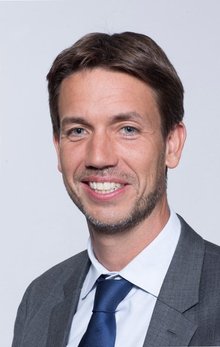
Olivier Jouny
SVP Renewables