How Tesco is Shaping the Future of In-Store Technology
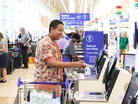
Tesco, the UK’s largest supermarket, is introducing new technology in stores, trialling trolley and basket scales that weigh purchases during the shop.
The initiative’s aim is to reduce checkout errors, cut down on theft and help shoppers move through the store with less hassle.
At its Extra store in Gateshead, North East England, Tesco has installed push-on scales designed to work with its Scan as You Shop service. The feature allows customers to check if the scanned items in their trolley match the actual weight of the goods.
If the numbers line up, the customer can proceed to payment. If not, a team member steps in for a manual rescan to check for missed or duplicated items.
A Tesco spokesperson explained to The Sun: “We’re running a trial in a very small number of stores to help our Scan as You Shop customers make sure they haven’t missed any items when scanning. This will reduce the number of manual checks by colleagues, reduce queuing times and streamline the checkout experience for customers.”
However, early reactions at the trial site suggest some customers are unsure about the added scrutiny. That said, the trial does align well with Tesco’s wider push to modernise the in-store shopping experience through technology.

How Tesco tackles shrinkage
Shrinkage, a retail term that refers to lost inventory from theft or error, costs UK supermarkets roughly 1.4% of their sales. Tesco’s new push-on scales offer a clear response to this.
By checking weight in real-time against scanned items, Tesco aims to spot discrepancies before the checkout. This not only reduces losses but also means fewer random manual rescans for customers, speeding up the entire shopping process.
The move should shift some of the error-checking burden from staff to the technology itself, letting team members focus on other in-store duties. These include stock replenishment, customer support and preparing online orders -- all of which are increasingly important in hybrid stores combining physical and ecommerce operations.
The weight-based system also improves stock accuracy, as it can match physical product weight to digital records, helping eliminate “phantom” inventory -- items that show up in the system but don’t exist on shelves. It also supports more accurate replenishment and delivery planning.
Scan as You Shop evolves
Tesco’s updates go beyond the trolley. Shoppers using the Scan as You Shop feature can now build their lists in the Tesco app.
Consumers will unlock a handheld scanner using their Clubcard and view a synced list of items they want to buy. As they scan each product, the item is ticked off automatically. The app can even order the list by aisle and show stock availability, streamlining the route through the store.
Nazma Ali, Head of Product at Tesco, says on LinkedIn: “We have lots planned in this area so watch this space.
"Massive thanks to the brilliant teams across Product, Engineering, Data and Design, who helped bring this to life, and to all our list building customers for the feedback so far. Excited to see how our roadmap evolves in this part of the store shopping trip.”
The list-building feature aims to eliminate missed items, reduce backtracking through the aisles and improve the overall pace of a shop. It gives customers more control over their shop and lays the groundwork for further personalisation based on their behaviour.
By tracking which items are added, scanned or skipped, Tesco builds a better picture of individual shopping habits. This insight could inform personalised offers, smarter promotions and more relevant in-store experiences in the future.
Digital screens under review
Tesco is also testing digital measurement technology across some stores, gathering data on how shoppers engage with media screens placed in aisles. This ties in with Tesco’s broader interest in retail media – a growing market where supermarkets sell advertising space based on footfall and dwell time.
Bryan Roberts, Senior Partner at IGDRetail, shares on LinkedIn: “Interesting to see some trial measurement tech in place in Tesco, presumably capturing dwell time and assessing which digital screen ads are hitting the spot.
“Retail media measurement is going to be a massive theme over the next few years and it is no surprise to see Tesco at the forefront.”
By combining trolley scales, list-building features and shopper behaviour data, Tesco enhances both customer experience and operational strategy.
The innovations feed into demand forecasting, support stock decisions and create new commercial value through advertising channels.
Taken together, these trials hint at Tesco’s direction: blending technology with the basics of grocery shopping to make each trip quicker, more efficient and more connected to the wider retail system.
Company portals
Executives
Bryan Roberts
Retail Futures Senior Partner
Nazma Ali
Head of Product