Dyson: Bringing High-Tech to Strawberry Supply Chains
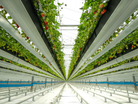
Dyson is applying its engineering expertise to agriculture, bringing vertical farming into the commercial mainstream while addressing some of the weaknesses in the UK's food supply chain.
At the centre of the effort is a high-technology strawberry greenhouse that runs on renewable energy and reduces the need for imported fruit during the colder months.
Every winter, Britain imports around 90% of its strawberries, with each batch travelling an average of 2,351 air miles. That carries a high environmental cost and exposes the food system to logistics disruptions, rising fuel costs and volatile international supply lines.

Reducing import reliance
Sir James Dyson, Founder of Dyson, sees the high importation and transport levels as a solvable engineering problem.
"It might seem odd for an industrialist who makes vacuum cleaners, hairdryers and robotics to be interested in farming but I see it as an extension of that," he says.
"This is all about machinery, mechanics and science improving things, it's regenerative and it’s the right way to farm."
The core of Dyson’s approach is a closed-loop greenhouse powered by renewable electricity and the surplus heat generated by an adjacent anaerobic digester.
This system allows the facility to maintain a consistent climate for strawberry growth throughout the year, eliminating the need to fly in produce from overseas.
"I think it’s really important that Britain grows its own food," says James. "Sustainable food production, food security and the environment are vital to the nation’s health and the nation’s economy; there is a real opportunity for agriculture to drive a revolution in technology and vice versa.
"Efficient, high-technology agriculture holds many of the keys to our future. Dyson Farming strives to be at the forefront of this."
The anaerobic digesters work by breaking down organic material to produce biogas, which is then used to run turbines. These generate enough electricity to supply 10,000 homes, and the captured heat warms the greenhouse, maintaining optimal conditions during winter.
Stored rainwater is used for irrigation, cutting down on water extraction and increasing resilience during dry spells.
This setup avoids the need for imported produce and creates a shorter, more predictable supply chain. It also allows vertical farming methods to scale up without drawing on additional land resources.
According to the World Economic Forum, traditional agriculture is responsible for around 80% of global deforestation. Dyson’s vertical approach reduces that land pressure and, by operating closer to the end consumer, helps to cut emissions related to transport.
Robotics and yield efficiency
Automation is another key component of Dyson’s system. Robotic arms handle the picking and packing process, allowing rapid distribution and reducing the need for seasonal labour.
These machines are integrated into a vertical growing layout, which increases the density of plants and raises production levels.
Angel Angelov, Glasshouse Manager at Dyson Farming, oversees the facility’s day-to-day operations. With a background in computer science and more than 20 years of greenhouse experience, he sees the project as a merging of engineering and horticulture.
"Growing quality strawberries at this scale, in a sustainable way, out of season, not only requires technological innovation but the expertise and experience of people who care passionately about producing quality strawberries," says Angel. "I am proud to be part of this team."
He adds that the project represents more than just technical achievement: "This is our vision for the future of farming. Growing sustainably food with minimum inputs while maximising production and maintaining the high quality standards we have already set over the years is the key goal. And we have delivered just that!"
The vertical growing system has increased yields by 250% compared to conventional farming, allowing Dyson to deliver strawberries at a commercial scale without expanding land use.
Self-sufficient supply chains
Beyond reducing emissions, Dyson’s model addresses wider supply chain vulnerabilities. By producing crops domestically and using local inputs, the system reduces exposure to cross-border delays, climate volatility in other regions and shifting trade policy.
This approach also aligns with wider global goals to reduce carbon emissions in transport and land use.
Urban-adapted vertical farms can be positioned closer to distribution hubs, cutting the need for long-haul logistics and refrigeration.

James sees this combination of innovation and control as essential to securing the UK’s future food system.
"Dyson Farming is developing new approaches to efficient, high-technology agriculture, which we hope will lead to a commercially sustainable future," he comments.
With growing concerns over food security, logistics emissions and environmental impact, the supply chain benefits of vertical farming could help set the course for how Britain feeds itself in the years to come.