Samsung Strike: AI Memory Shortage and Supply Chain Impacts
A labour dispute at Samsung Electronics could disrupt global memory chip distribution networks as 48,000 workers prepare for an 18-day walkout starting 21 May. The action threatens to interrupt production flows at facilities responsible for 36% of worldwide dynamic random-access memory (DRAM) output.
The strike could remove between 3% and 4% of global DRAM supply from circulation, according to Jeff Kim, analyst at KB Securities.
Samsung operates as the primary supplier of high-bandwidth memory chips to artificial intelligence (AI) data centre operators. Any extended production halt could create cascading delays across technology supply chains that depend on consistent semiconductor deliveries.
Disruption to production networks
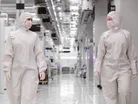
Samsung runs its memory fabrication across multiple South Korean sites including Pyeongtaek and Hwaseong. These facilities operate continuously across three shifts to maintain wafer output. Nearly 48,000 unionised workers plan to leave production lines on 21 May, representing 38% of the company's domestic workforce.
A South Korean court partially granted an injunction request from Samsung, ruling that essential staffing levels must be maintained during the walkout.
However, a one-day labour action in April showed the vulnerability of semiconductor manufacturing to workforce disruptions. Foundry output dropped 58% and memory fabrication fell 18% during that affected shift, according to industry reports.
The company has begun warm-down procedures to scale back wafer inputs before Thursday. Extended shutdowns force chipmakers to scrap ultra-sensitive silicon wafers worth US$20,000 each. The planned 18-day stoppage represents the largest work disruption in semiconductor industry history.
Samsung accounts for nearly a quarter of exports from South Korea. Industry Minister Kim Jung-kwan tells parliament that citizens are worried about ripple effects across the economy.
The impacts on buyers
The memory chip shortage arrives as AI infrastructure deployment maintains demand at elevated levels.
Samsung supplies DRAM and high-bandwidth memory chips to data centre operators building computing capacity for machine learning workloads. Any supply interruption could delay equipment installations and push up procurement costs for technology buyers.
According to Jeff Kim, NAND flash memory supplies could decline by 2% to 3% if the strike proceeds as planned. Memory chip buyers typically maintain inventory buffers to absorb short-term supply shocks. An 18-day production halt could exhaust those reserves and force purchasers to compete for limited stock from alternative suppliers.
SK Hynix operates as the world's second-largest memory chipmaker after Samsung. The company's production lines could absorb some demand if Samsung's output falls. However, SK Hynix already runs fabrication facilities near capacity to meet existing orders for AI hardware.
The supply disruption comes as semiconductor prices begin recovering from a downturn in 2024. Further constraints on memory chip availability could fuel price increases across technology supply chains.
Bonus dispute triggers walkout
The National Union of Samsung Electronics is demanding changes to compensation structures that limit performance bonuses to 50% of annual salaries. Workers point to SK Hynix, which overhauled its pay system last year by removing a 10-year cap on bonus payments and allocating 10% of annual operating profit to worker bonuses.
Based on 2026 profit forecasts, SK Hynix employees could receive average payouts from US$460,000 to US$477,000 this year. Samsung paid no performance bonuses in 2024 as its chip unit posted operating losses during the memory downturn. The unit returned to profit in Q1 2026, with operating income increasing nearly eightfold.

The union wants Samsung to abolish the 50% bonus cap and allocate 15% of annual operating profit to a bonus pool. Samsung management proposed a one-off bonus exceeding levels that SK Hynix workers receive this year. However, the company refuses to permanently remove the bonus ceiling from contracts.
The dispute widened after SK Hynix workers received performance bonuses more than three times higher than Samsung employees last year. The compensation gap fuelled discontent at Samsung facilities despite the chip unit's financial recovery.
The wider implications
An anonymous official at South Korea's central bank says the walkout could reduce 0.5 percentage points from a forecast 2.0% expansion in the national economy this year. This assumes approximately 30tn won (US$19.9bn) of chip production could be lost during the stoppage.
Samsung faces competitive pressure from SK Hynix, which is approaching a US$1tn market valuation. SK Hynix supplies high-bandwidth memory chips to AI hardware manufacturers and has secured contracts with major technology buyers. Any extended production disruption at Samsung could shift market share to its domestic rival.
The company held 36% of the global DRAM market at the end of last year, according to industry data. Maintaining that position depends on consistent output from South Korean fabrication facilities. The strike arrives at a time when memory chip buyers have limited alternatives for high-volume procurement.
Samsung must resolve the compensation dispute to restore normal production flows. The company's role in global semiconductor distribution networks means any extended supply interruption could affect technology buyers across multiple industries.