PSC Live: Ethical Supply Chains - Strategies and the Stakes

Ethical supply chains have emerged as a strategic imperative for modern businesses, extending far beyond mere compliance to encompass transparency, accountability, and fairness across every tier of production and distribution.
These networks ensure that from raw material sourcing to final delivery, operations uphold rigorous standards in human rights, labour practices, environmental stewardship and resource management.
As consumer awareness intensifies and regulatory frameworks tighten, particularly in jurisdictions like the EU, organisations can no longer focus solely on Tier 1 suppliers, but must trace ethical responsibility deep into Tier 2 and Tier 3 partnerships.
This comprehensive approach not only mitigates reputational and operational risks but also drives competitive advantage through enhanced brand loyalty, talent attraction, and long-term business sustainability.
At Procurement and Supply Chain LIVE: The US Summit, panellists gathered to explore these impacts and the strategies leaders can use.

The session focussed on how organisations can build responsible supply chains. A group of experts discussed transparency, ethical sourcing and strategies for meeting social, environmental and governance expectations.
Martine Hornseth, Sustainability Intelligence Strategist at Sedex, sets out the context for the discussion.
Sedex is a global platform used by companies to manage and share information about ethical and responsible business practices in their supply chains. It has more than 100,000 sites globally, and more than two million workers.
Martine says: “At Sedex we have a huge amount of data for users to get more visibility. Industries in the US have higher average non-compliances per audit than the global average, but with an elevated risk around agricultural sites, which reflects weaker management systems and riskier site characteristics that we see from self-assessment questionnaires.”
Do ethical and responsible supply chains cost more?
With leaders needing to navigate their ethical responsibilities against cost, meeting ethical standards across the supply chain can appear a daunting prospect, particularly if not treated as a priority across the chain.
Hicham Nehme, Head of Supply Chain Management for Vodafone, says: “The ethical supply chain does require cost on the suppliers. It's important to make sure that we are controlling the cost, but at the same time not impacting the requirement to make sure procurement is ethical and sustainable.”
Vini Pathak, Sustainability Manager, Global Commercial Food for Mars, offers the view that cost is relative and must be weighed against the impact of delayed action: “There is a cost upfront, but there's also a cost of not acting right now. With climate change and geopolitical disruptions there's a huge cost of not investing in ethical supply chains.”
Michelle Dilley, Independent Director, Growth & Value Creation Leader and Former Global COO, adds: “I don't think ethical sourcing is inherently more cost prohibitive. When you think about the bigger costs, if there's issues with your supply chain around fragmentation or just lack of visibility or inconsistencies in the way they work, those tend to have higher costs than ethical supply chains”
Traceability and transparency
Transparency has become one of the most widely-discussed issues when it comes to ethical approaches within supply chains, and Michelle says it is important to consider the expectations of consumers and investors.
She says: “I think there's a thing called selective transparency. When you think about the growing expectations of investors and consumers about transparency, I don't know if they want to know the details of how you're doing it, but that the system is working and that you're monitoring it and that you have that visibility you need.”
On transparency at Mars, Vini adds: “One of the foundational elements of building traceability really has been working very, very closely with suppliers and building relationships and trust.
“The idea and the objective is not to be transparent for the sake of it, but to think how we assess risk more proactively and build a system that works for suppliers and all the stakeholders in our supply chain.”
Liability and what’s at stake
But what are the ultimate stakes when it comes to ethical supply chains and transparency. In the US, supply chains are subject to the Uyghur Force Labour Prevention Act.
The EU Forced Labour Regulation applies universally across all products and all economic operators operating in the EU market, regardless of where the products originate or where the companies are incorporated.
Hicham says: “This is a mandatory requirement, which we measure all the time to ensure the suppliers are fulfilling it. We ensure we are working closely with our suppliers, with the third-party suppliers, to ensure this requirement is fulfilled.
Martine underlines the importance of these requirements: “It’s really important to understand what is behind those really high-risk issues like forced labour.
"Do you know what the indicators of forced labour are? At Sedex we have a forced labour indicator report to help companies be able to extract the parts of the audits that are specific to forced labour.”
Many ethical breaches happen at the raw material level in mines, in farms and processing facilities. How can organisations police labour standards, four to five tiers, thousands of miles displaced from your operating centre?
Martine says: “It's actually, how do you engage with them, not just to help them understand what you're expecting of them, but why? Do they know the benefits to their supply chain resilience and brand and reputation?
How can leaders make sure this happens? Vini adds: “Prioritisation, supplier engagement - and having boots on the ground."


Executives
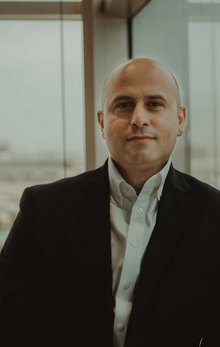
Hicham Nehme
Head of Supply Chain
Martine Nerheim Hornseth
Sustainability Intelligence Strategist

Sheri R. Hinish
Supply Chain Queen, Founder

Vini Pathak
Sustainability Manager - Global Commercial Food