How PepsiCo APAC is Developing Sustainable Supply Chains
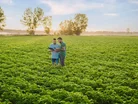
PepsiCo has launched the 2026 IMPACT Edition of its Greenhouse Program in Asia Pacific.
The initiative targets start-ups with sustainability solutions that can be integrated into the company's operational network across the region.
The programme focuses on logistic efficiency, sustainable agriculture, emissions reduction and circular economy principles.
According to PepsiCo, the selection process prioritises technologies ready for deployment across its supply chain infrastructure.

Operational footprint across agriculture
The food and drinks company manages an agricultural and supply chain network that extends across multiple markets. The scale of these operations creates emissions at farming, manufacturing and logistics stages.
PepsiCo is working to reduce these outputs through the Greenhouse Program. The initiative forms part of PepsiCo Positive, which aims to embed sustainability into business operations.
According to PepsiCo, "Some of the most promising sustainability technologies are coming from startups but taking them beyond early trials requires access to operations, the right internal support and a clear route to adoption."
The programme pairs innovators with operational teams and partners to test and implement solutions.
Value chain resilience priorities
Anne Tse, Chief Executive Officer for Asia Pacific at PepsiCo, says: "In Asia Pacific, the next wave of competitive advantage will come from how quickly we can turn practical innovation into scaled commercial outcomes.
"Our priority is to focus on solutions that strengthen resilience in our value chain, accelerate execution in the market and advance pep+ in ways that are measurable for both our business and our partners."
She describes the 2026 edition as backing solutions capable of creating advantage across the region.
The programme runs for seven months and connects start-ups with cross-functional mentors from PepsiCo. Partners include venture capital firms and innovation networks that support agriculture and technology investment.
Alumni focused on operations
The Greenhouse Program is entering its fourth year in Asia Pacific. According to PepsiCo, it has supported more than 22 pilots with more than 30 start-ups to date.
The 2026 cohort includes five alumni companies selected for their operational fit with PepsiCo's supply chain priorities. These companies address circular packaging, climate resilience and agricultural processes.
Adiona is an Australian company that joined the programme in 2023. The start-up provides an AI-powered logistics optimisation platform for route planning and fleet efficiency, with potential to reduce Scope 3 emissions across bottler networks.
Bali Waste Cycle, a 2025 alumnus from Indonesia, operates a decentralised waste processing model. The system enables recovery of low-value plastics and could support Extended Producer Responsibility readiness while strengthening recycling supply chains.
Technology for agricultural supply
Beijing AIForce Tech joined the programme in 2025. The Chinese company produces electric agricultural machinery that automates farming processes, which could mean reductions in emissions and labour dependency for growers.
Takachar, based in Thailand, became an alumnus in 2024. The company converts crop residues into biochar, a soil-enhancing material that could reduce open burning and support carbon sequestration across agricultural supply chains.
X-Centric is an Australian digital soil analytics platform that joined in 2024. The technology enables soil health measurement and input optimisation, with potential to support PepsiCo's regenerative agriculture and Scope 3 ambitions.
The programme will end with a regional showcase in October. Start-ups will present progress and explore commercial opportunities with PepsiCo and partner networks.
Partner organisations in the programme include Artesian, AgFunder Asia, SAIL from Nanyang Technological University Singapore, AgriFutures growAG, Circulate Capital, GC Ventures and CM Venture Capital.