JLR Cyber Attack: The Global Supply Chain Impact
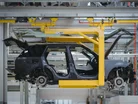
Jaguar Land Rover (JLR) has ordered thousands of factory staff to stay at home, with its global IT and manufacturing systems remaining offline following after a cyber attack.
The directive runs until at least Tuesday (9 September) and highlights the vulnerability of modern automotive supply chains to digital disruption.
Production across the company’s key UK sites in Solihull, Halewood and Wolverhampton has been halted while IT teams oversee what JLR calls a “complex, controlled system recovery process". The recovery aims to reboot tightly connected operational technology and manufacturing systems without risking further contamination.
The attack has come during a critical sales period for JLR, coinciding with the new UK registration plate launch on 1 September. Dealerships face delays in registering vehicles, leaving customers waiting for deliveries.

Cyber disruption ripples through supply networks
The impact of the cyber attack extends far beyond JLR’s production lines. The company’s extensive network of global suppliers is experiencing immediate disruption as ordering, logistics and inventory systems remain inaccessible.
In just-in-time manufacturing, where thousands of components arrive on tight schedules for seamless vehicle assembly, any system shutdown triggers a domino effect. Suppliers dependent on JLR’s systems describe being locked out of “a giant database” blackout, leaving them unable to fulfil orders or dispatch critical parts. That blockage then halts vehicle assembly and repair services further downstream.
Independent garages and aftermarket specialists also struggle as they cannot access Land Rover’s digital parts ordering platform, delaying repairs for existing owners.
The disruption demonstrates how a single incident at a central manufacturer reverberates across multiple tiers of suppliers, retailers and service providers globally.
Jon Lucas, Director and Co-Founder of Hyve Managed Hosting, says: “The recent cyber attack on Jaguar Land Rover underlines how today’s threats extend well beyond data theft as well as serves as a stark reminder that no organisation is immune to today’s cyber threats, regardless of size or market influence.
“Cyber attacks can grind supply chains to a halt, stopping production, delaying deliveries and disrupting global partners. JLR’s rapid reaction helped contain the damage, but the incident highlights how one IT outage at a critical hub can ripple across suppliers, logistics providers and retailers, bringing widespread disruption across the whole ecosystem.
“Supply chains are only as strong as their weakest digital link. In complex industries like automotive – where just-in-time production depends on flawless coordination – any disruption can have significant operational and financial consequences. Resilience and continuity planning must therefore be integral, not optional.
“Cloud-enabled disaster recovery, offsite backups and hybrid or multi-cloud infrastructure can keep mission-critical systems running even in the face of ransomware or system failure. These measures reduce single points of failure and help minimise downtime when it matters most.”
Complex recovery process underway
JLR’s IT teams continue to restore systems cautiously to avoid reinfection or further breaches. The interwoven nature of operational technology with production systems requires a step-by-step reboot, ensuring that security is intact before resuming full-scale factory work.
Temporary workarounds support limited functions, but most production lines remain idle until a full recovery guarantees end-to-end security.
The careful strategy illustrates the rising need for cyber resilience across manufacturing, where operational downtime translates directly into financial and reputational costs.
Although JLR has confirmed that no customer data breach is evident at this stage, the broader operational disruption demonstrates the stakes involved. In today’s automotive sector, attacks are increasingly focused on halting production and disrupting supply networks rather than simply extracting data.
Industry-wide challenges in digital resilience
The cyber attack on JLR reflects a wider challenge across automotive manufacturing. The industry’s reliance on globalised supply chains and just-in-time processes makes it an attractive target for attacks designed to paralyse operations.
Factories, suppliers, dealerships and service networks are all digitally interlinked, meaning that a single vulnerability can trigger widespread disruption.
What's more, the incident demonstrates that operational continuity now depends as much on cyber resilience as on physical logistics or production planning.
For JLR, the road to recovery remains uncertain. Staff remain off-site as the company monitors its systems and implements controlled recovery. There is no confirmed timeline for a return to normal operations.
The decision to maintain downtime reflects a cautious stance: resuming too soon risks compounding the problem, while a measured recovery aims to secure systems for long-term stability.
As Jon emphasises, the case demonstrates that resilience must be built in to automotive supply chains.