How Supermarkets Can Cut Down on Single-Use Plastics
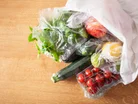
Single-use plastic bag sales rose by 7% in 2024, according to the UK’s Department for Environment, Food and Rural Affairs (Defra).
Last year, a startling 437 million plastic bags were sold, up from 407 million sold in 2023.
It marks the first time sales have risen since the 5p bag charge was introduced in 2015.

E-commerce linked to plastic bag increase
Defra’s statistics show that online supermarkets are contributing to a significant proportion of the increase.
Online retailer Ocado sold 221 million plastic bags last year – more than half of the total figure. This is 30 million more than the previous year, reflecting the rise of e-commerce since the pandemic.
A spokesman for Ocado said: “Our approach to deliveries is designed to minimise emissions and waste, while keeping customer orders efficient and products in excellent condition from warehouse to doorstep.”
Morrisons and Sainsbury’s reported increases in plastic bag sales, whilst Tesco, Waitrose and Iceland have not sold single-use bags since 2021.
Meanwhile, a Co-op spokesperson explains its approach: “As a responsible retailer, we do not sell single-use plastic bags or Bags for Life and haven’t done since 2021 when we converted all our carrier bags to be 100% certified compostable, with all profits from sales going to good causes.”
Sainsbury’s has committed itself to using paper bags, while Morrisons and Ocado allow consumers to hand unwanted bags to the delivery driver to be reused.
It follows government and consumer pressure, as retailers have take wider steps towards making the supply chain more sustainable.
Ocado’s bag recycling process
Ocado has operated a closed-loop plastic bag recycling scheme since 2015, making it the first retailer to do so.
Consumers are encouraged to hand carrier bags back to their driver and tell them how many they are returning.
Ocado also offers a 10p Bag Recycle Bonus for bags that are returned to drivers, resulting in a 89% refund rate.
The recycled bags are then processed into new bags which improves circularity in the supply chain.
How single-use plastic bags impact the supply chain
The rise in single-use plastic bag sales suggests gaps in supply chain circularity.
This is due to the lack of collection infrastructure or incentives for consumers, leading to bags being thrown away.
Last-mile delivery favours single-use plastic as the cheapest and most readily available packaging.
This stage of the supply chain is the most expensive and inefficient as businesses are already under pressure to meet customer demands.
It means switching to more sustainable alternatives could create more pressure in last-mile delivery.
Solutions for a more sustainable supply chain
Shifting to more sustainable packaging such as paper or other compostable materials could improve the efficiency of the supermarket supply chain.
Retailers could also reform the logistics of the process by developing closed-loop recycling systems.
This would involve collecting used packaging to recycle into new packaging which creates a more sustainable and efficient supply chain.
Tesco, for example, focuses on removing unnecessary plastic from its supply chain. It has removed more than two billion pieces of plastic since the launch of its 4Rs (Remove, Reduce, Re-use, Recycle) packaging strategy in 2019.
What’s more, the supermarket chain has doubled the amount of recycled material in its own plastic packaging.
Kené Umeasiegbu, Responsible Sourcing Director for Tesco, says: “We all have a responsibility to take care of our planet and removing unnecessary plastic is an important way that Tesco can reduce its environmental impact.”
Single-use plastic is an issue that e-commerce can no longer afford to ignore.
Using education and transparency around plastic use and its environmental impact could encourage a behaviour change among suppliers, retailers and consumers.