How Shipping Rules Transform Global Maritime Sustainability
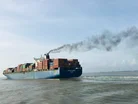
With global trade under rising climate pressure, is cleaner shipping really becoming reality?
New findings from the North-East Atlantic are giving supply chain leaders fresh insight into the true impact of IMO fuel rules.
Published in the Royal Society of Chemistry, the research gives the shipping and supply chain sectors vital data on the effectiveness of and compliance with these global rules.

The “SO₂ and NOₓ emissions from ships in North‑East Atlantic waters" study aimed to verify sulphur dioxide (SO₂) and nitrogen oxides (NOₓ) emissions directly.
Scientists used aircraft and ground-based sensors to measure exhaust plumes from vessels between 2019 and 2022, providing a more reliable benchmark for an industry where a large portion of activity occurs far from land, offering a clearer picture of its environmental footprint.
Measuring regulatory impact
The study’s findings show a substantial reduction in pollution.
Before the regulation change in 2019, the average apparent fuel sulphur content (aFSC) in the open Atlantic was approximately 3.03%. By 2021 and 2022, this figure had fallen to around 0.31% and 0.25% respectively.
Researchers state that “a nearly 10-fold decrease in the mean aFSC demonstrates the strong impact the International Maritime Organization regulation change in 2020 had on sulphur emissions from ships.” This sharp drop illustrates a successful, sector-wide transition to lower-sulphur fuels.
The research also assessed nitrogen oxide emissions (NOₓ). The NOₓ/CO₂ ratio was considerably lower in ports than in the open ocean. This is likely because ships switch to smaller auxiliary engines while docked, an important operational detail for port-based logistics.
Assessing fleet compliance
The data also reveals crucial information about compliance levels. Before the new rule in 2019, eight out of 19 ships measured were found to exceed the then-legal 3.5% sulphur limit.
After the introduction of a stricter 0.5% cap in 2020, measurements taken across 2021–2022 found that only five out of 78 ships were in breach. This suggests a high but incomplete level of adherence.
The presence of non-compliant outlier vessels presents a potential risk for cargo owners and supply chain partners who could face delays or reputational damage.
Gathering the data was a considerable challenge. Researchers had to fly an aircraft as low as 30 metres above the water, using ship tracking data and complex calculations to intercept and analyse 130 different ship plumes.
Operational adjustments
Within specially designated zones such as the European Sulphur Emission Control Area (SECA), which includes the English Channel, the regulations are even more stringent. The average sulphur levels here were recorded at approximately 0.04%, comfortably below the strict 0.1% limit for this area.
The study’s direct measurements were able to identify specific non-compliant vessels that models might miss.
For instance, a large container ship was found breaching sulphur limits in the open ocean but had later switched to cleaner fuel when it was sampled nearer land in the SECA. This highlights the complex fuel-switching strategies that global shipping lines must now manage, which has direct cost and logistical implications.
Future outlook
The shipping industry is estimated to be responsible for around 13% of global sulphur emissions and 15% of global NOₓ emissions, with most of these occurring within 400km of land. The dramatic fall in sulphur pollution validates the IMO’s regulatory action.
For those managing supply chains, this research highlights the importance of partner vetting and awareness of evolving regulations.
The IMO is expected to adopt a new emissions control area for shipping around the western UK and the north-east Atlantic from 2027 – meaning further operational adjustments and strategic planning will be required to ensure future compliance and cost management.