How Maersk is Expanding Logistics Network in Brazil
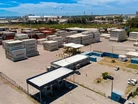
Maersk is strengthening its supply chain footprint in southern Brazil with new investments in inland logistics facilities in Rio Grande and Paranaguá.
The move reflects rising demand for integrated logistics services and reinforces the company’s long-term commitment to the region.
Brazil remains a critical node in South American trade, particularly for agricultural exports and industrial cargo. By expanding inland capacity, Maersk aims to support customers seeking greater visibility and control across end-to-end supply chains.
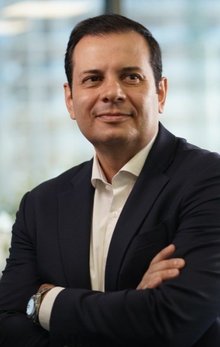
Ricardo Rocha, Vice President - Managing Director East Coast South America, says: "These investments respond to the needs of customers moving agribusiness, refrigerated commodities, and industrial cargo through Brazil’s main export corridors.
"By expanding capacity near the ports of Rio Grande and Paranaguá, we strengthen inland reliability, support peak season demand and create simpler end to end logistics solutions for the sectors driving Brazil’s trade growth."
Both facilities are positioned close to major ports and export corridors, with direct road access to regional distribution networks. This proximity is designed to improve container flows and reduce bottlenecks during peak shipping periods.
The Rio Grande site also plays a role in strengthening cabotage operations through Aliança Navegação e Logística. This integration connects coastal shipping with inland logistics, helping streamline cargo movement across Brazil’s extensive coastline.
The investments target key cargo segments such as agribusiness, refrigerated goods and industrial freight. These sectors are central to Brazil’s export economy and often face seasonal surges that put pressure on infrastructure.
Improving efficiency in container handling
In Paranaguá, Maersk has expanded its Cargo Services footprint to 6,000 square metres. The added space is expected to ease truck congestion and improve turnaround times during periods of high agricultural export activity.
Meanwhile, the Rio Grande facility spans around 70,000 square metres and is located just 2.5 kilometres from the port. It has been designed to handle high volumes of both dry and refrigerated containers, alongside storage and cross docking operations.
Operational layouts at both sites focus on improving efficiency in container handling and truck circulation. Dedicated reefer plug capacity has also been included to support temperature sensitive cargo, which is a growing segment in global trade.

Sustainability, procurement and supply chain leaders won’t want to miss Procurement & Supply Chain LIVE, taking place at Navy Pier, Chicago, on April 21–22.
Co-located with Sustainability LIVE: The US Summit, the event unites senior decision-makers at a time when supply chains, sustainability and business performance are more interdependent than ever.
Secure your place now for The US Summit – group booking discounts available.
Maersk says the developments respond directly to customer demand for infrastructure closer to port gateways. They also aim to provide greater capacity during peak seasons and tighter integration between ocean shipping and inland services.
Sustainability has been factored into the design of the facilities. Energy efficient layouts are expected to reduce fuel consumption, while waste treatment and water reuse systems aim to minimise environmental impact.
Reducing dwell times
The depots will offer a range of services including container inspection, cleaning and repair. These capabilities are intended to reduce dwell times and keep cargo moving more efficiently through the supply chain.
By linking inland transport, customs processes and ocean services more closely, Maersk is working to create a more seamless logistics experience. This approach reflects a broader shift towards integrated supply chain solutions across the industry.
The expansion forms part of Maersk’s wider logistics network in Brazil, which includes depots, warehouses and multimodal transport services. Together, these assets support the movement of goods across key regional and international trade corridors.
Company portals

Executives
Ricardo Rocha
President - Managing Director East Coast South America | Argentina, Brazil, Paraguay & Uruguay