
How Fererro's Kelloggs Expansion Reshapes its Supply Chain
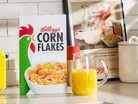
Ferrero is entering the breakfast business, buying WK Kellogg Co for US$3.1bn and bringing a new aisle of opportunities into view.
The privately owned Italian confectionery group is paying US$23 per share in cash—representing a 40% premium over WK Kellogg’s average share price from the past month.
This comes as part of a long-term strategy that puts Ferrero further into the heart of North American food manufacturing.
With the deal, Ferrero lands a key spot in the US breakfast market, picks up established brands and takes on Kellogg’s long-serving operations hub in Battle Creek, Michigan.
WK Kellogg Co’s portfolio includes familiar names like Frosted Flakes, Raisin Bran and Kashi. Ferrero now holds the keys to both these brands and their production and distribution networks, stretching from the US through Canada and into the Caribbean.

Building out Ferrero’s North American footprint
Ferrero has built a track record on US acquisitions. In the past five years, it has added biscuit maker Keebler, snack brand Famous Amos and frozen dessert label Wells Enterprises—the company behind Blue Bunny and Bomb Pop. Now, cereal joins the shelf.
The WK Kellogg Co acquisition adds a cereal-focused production network to Ferrero’s growing US operation, which already covers 22 plants and 11 offices. These support major Ferrero brands like Nutella, Kinder and Tic Tac.
Chocolate remains Ferrero’s foundation, but it’s no longer the only pillar. The global cocoa market has been rattled by supply problems—disease and climate extremes in producing countries have sent prices soaring since 2023.
With cereal, Ferrero gets a category less tied to cocoa’s volatility, offering a product line built on wheat, corn and other grains, already backed by robust manufacturing and packaging systems.
Chief Executive Lapo Civiletti points to the opportunity this brings, calling WK Kellogg Co "a meaningful addition to the Ferrero Group."
He adds that it helps the company reach "more consumption occasions"—in plain terms, more parts of shoppers’ daily routines.
Kellogg's past powers Ferrero’s logistics future
WK Kellogg Co only became a standalone business in 2023, splitting from the larger Kellogg Company, now rebranded as Kellanova. The separation created a cereal business still finding its feet.
Facing changes in consumer preferences, WK Kellogg has had to adjust sales targets and confront a market shaped by price sensitivity and health trends.
Shoppers with more disposable income are leaning away from sugar-rich cereals.
At the same time, budget-conscious consumers are choosing supermarket own-label products to cut costs. This double pressure has narrowed the gap for branded cereals and pushed WK Kellogg Co to downgrade its earnings outlook.
Ferrero, though, takes a different view. It plans not just to maintain these legacy cereal brands but to strengthen them. That means investing in marketing, streamlining supply operations and updating product lines.
Ferrero already knows how to integrate acquisitions. Its previous takeovers in the US show a pattern of growth through better logistics, branding and product development.
There are also practical efficiencies on the table. With Ferrero taking on cereal factories and distribution channels, there’s potential to run cereal alongside its existing chocolate and snack business. New bundles and promotional partnerships could emerge from combining the two portfolios.
WK Kellogg Co Chairman and Chief Executive Gary Pilnick says Ferrero brings both capital and flexibility to the business.
He describes the move as one that "will provide WK Kellogg Co with greater resources and more flexibility to grow our iconic brands in this competitive and dynamic market." He also points to a "shared winning culture" and values that align with the company’s origins.
What happens next?
Regulators still have to give the green light, with the deal expected to close in the second half of 2025.
Ferrero already has backing from major stakeholders including the W.K. Kellogg Foundation Trust and the Gund Family, who together hold 21.7% of WK Kellogg Co shares.
Kellogg’s preliminary second-quarter figures show net sales between US$610m and US$615m, with adjusted EBITDA (earnings before interest, tax, depreciation and amortisation) between US$43m and US$48m. That puts the EBITDA margin somewhere between 6.1% and 7.9%—lower than many competitors. Ferrero believes there’s room to raise that by bringing in its own operational efficiencies.
Analysts say integration will be key. With modern production needing to balance health, sustainability and cost, Ferrero may have to revise its packaging, sourcing and labour practices to match evolving expectations in both Europe and North America.
Still, the infrastructure is ready. Battle Creek remains the operational centre and Ferrero plans to retain key teams already in place.
The company is aiming for steady transformation rather than disruption—building on what WK Kellogg Co already has.