Is Royal Mail the UK's Greenest Parcel Carrier?
Royal Mail is setting out to become the UK’s greenest delivery company and says it’s already leading the sector.
Through a logistics overhaul that cuts carbon across transport, supply chain and buildings, the company has reported a 25% reduction in greenhouse gas emissions and plans to hit net zero by 2040.
Its 2024–25 Environmental, Social and Governance (ESG) Report lays out how it has tackled last-mile delivery, fuel use, air freight, circular packaging and biodiversity—transforming the postal legacy into a logistics operation focused on sustainability.

The report shows Royal Mail has lowered greenhouse gas emissions (GHGs) by 25% against its 2020–21 baseline, which includes a 27% cut in Scope 1 and Scope 2 emissions.
Scope 1 covers direct emissions from vehicles or fuel use, while Scope 2 relates to purchased electricity. Scope 3 emissions – those tied to the wider value chain such as suppliers, transport and purchased goods – are down 24%.
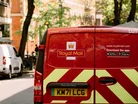
Royal Mail puts much of this down to transport changes. It now runs around 7,000 electric vans across the UK, up from 5,000 the year before, meaning 31% of routes now produce zero tailpipe emissions.
The firm also swaps out diesel for Hydrotreated Vegetable Oil (HVO), a cleaner fuel used in large trucks. In total, more than 27 million litres of HVO cut an estimated 44,000 tonnes of CO₂ equivalent.
Royal Mail takes domestic flights off the schedule too, scrapping 16 air routes and replacing them with road and ferry alternatives. Domestic airmail emissions are halved in the process.
“Our average carbon per parcel has now reduced to 165g CO₂e, which is the lowest in the industry,” writes Alistair Cochrane, CEO of Royal Mail, in the report.
Last mile efficiency and sustainable operations
With most parcels ending their journey at the doorstep, last-mile delivery is where emissions often spike.
Royal Mail builds its delivery model around walking and electric vehicles. More than half of all delivery routes are completed mainly on foot, further lowering emissions in built-up areas.
To keep the electric fleet running, the firm invests in skills. More than 22,000 workers are trained to operate EVs and one-third of all Royal Mail mechanics are now certified to service them.
Royal Mail also teams up with Wiliot to track parcel containers in transit. This allows for more accurate loading and less wasted mileage, directly cutting fuel use in real time.
Buildings are pulled into the effort, too. The entire Royal Mail estate now runs on 100% renewable electricity. The firm is also trialling air source heat pumps and rooftop solar to reduce reliance on gas. LED lighting and water-saving systems have already been installed across sites.
Supply chain and circular thinking
Around 70% of Royal Mail’s total emissions come from Scope 3—its suppliers and outsourced logistics. The company strengthens its carbon accounting system to get clearer data from vendors, adding supplier-specific tracking into procurement decisions.
New environmental requirements for suppliers are rolled out alongside a multi-phase engagement programme aimed at high emitters. The goal is to improve sustainability performance across everything Royal Mail buys and uses.
Circularity, meaning keeping materials in use for longer, becomes a core part of its model. Royal Mail cuts waste by 24% since 2020–21 and diverts 97% of remaining waste from landfill. Uniforms, IT kit and packaging are increasingly sourced with recycled content and reuse in mind.
“The results are in … Royal Mail is the UK’s greenest parcel operator based on average emissions per parcel delivered,” writes Matt Gower, Head of ESG at Royal Mail, on LinkedIn.
The firm also supports consumer recycling efforts. It helps Nespresso recycle more than one million coffee pod bags and backs resale and returns for fashion and electronics, including second-hand sales on platforms like eBay.
Plus, Royal Mail co-founds PrintGreen, an initiative to reduce the environmental impact of direct mail while promoting sustainable printing across the industry.
The company also uses an ISO 14001:2015-certified environmental management system to track and control environmental risks. In 2024–25, no enforcement actions were recorded.
Biodiversity projects include 17 new wildflower meadows, 47 bird boxes and the expansion of No Mow May, which leaves grass uncut to support pollinators across 60 sites.