
How are Co-op & Whole Foods Building Ethical Supply Chains?

Ethical sourcing is a critical component of supply chain management, influenced by mounting regulation, investor scrutiny and consumer expectations. It is the method of managing global suppliers to ensure products and services are created with respect for human rights, fair labour and environmental protection.
For supply chain leaders, failing to comply with emerging due diligence or forced labour laws can lead to serious consequences, including fines, litigation and import prohibitions.
The pressure extends to financial performance. Many investors now expect companies to align with stringent due diligence standards, meaning ethical sourcing can directly feed into ESG ratings and the cost of debt.
Corporate net-zero strategies are also at risk without a robust ethical framework, yet the challenge lies in extending this scrutiny to the lower tiers of the supply chain, where risks are often concentrated.
Navigating the regulatory supply chain
The regulatory backdrop for supply chains is becoming more complex. The EU’s Corporate Sustainability Due Diligence Directive (CSDDD) is set to introduce mandatory human rights and environmental due diligence across entire value chains, carrying potential penalties based on global turnover.
Similarly, an EU-wide ban on products made with forced labour, applicable from late 2027, will prohibit the sale, import and export of affected goods.
This adds another layer of complexity for managers also navigating evolving national laws in jurisdictions, like the UK and Germany, making compliance a major operational challenge.

Data and technology in procurement
Modern ethical sourcing heavily depends on supplier data platforms and risk management tools, but gathering credible data presents its own difficulties. Information from smaller or high-risk suppliers is often incomplete, while traditional supplier audits can be manipulated.
Many suppliers also face “survey fatigue” from numerous customer questionnaires.
To overcome these hurdles, procurement teams are adopting risk-based assurance systems that blend technology with third-party verification and on-the-ground intelligence.
Platforms like EcoVadis, which assesses companies on environment, labour, human rights and ethics, can provide a standardised view for shortlisting and managing suppliers.
Sourcing standards at Whole Foods Market
For Whole Foods Market, a multinational grocery retailer, ethical sourcing is a core part of its supply chain strategy. According to Sonya Gafsi Oblisk, Chief Merchandising and Marketing Officer, Whole Foods Market's approach is built on deep connections with its producers.
“At Whole Foods Market, sourcing is rooted in our long-term relationships with farmers, ranchers and producers who align with our high standards for quality, sustainability and ethical practices,” Sonya explains.
She adds that Whole Foods Market has consistently set high benchmarks for the industry, including its standards for sustainable seafood, animal welfare and the “550+ ingredients we ban across food and beverages”.
“We do the homework for our customers, and it’s made a difference in how people think about their food.” This strategy shows how vetting a supply network can be integral to a brand's customer promise.
Co-op’s strategic change
Meanwhile, in a major strategic change, Co-op is reducing its supplier network by ceasing to source from 17 countries. This phased withdrawal targets the removal of products from regions associated with human rights abuses.
The move affects approximately 100 products, including ingredients for its own-label goods and standalone imports.
Debbie White, Chair of the Co-op Group Board, says: “This policy, which has been developed over the past year as a part of our 'Hate Divides Communities, Co-operation Builds Them’ campaign, is a clear demonstration of our co-operative values in action, where the voices of our members have been listened to and then acted upon.”
"As a business, we have a long-standing legacy of doing the right thing, supporting Fairtrade and championing ethical sourcing and this policy is a natural progression of this.”
This decision highlights a proactive approach to de-risking the supply chain and aligning procurement with core business values.
Company portals


Executives

Debbie White
Chair of the Co-op Group Board
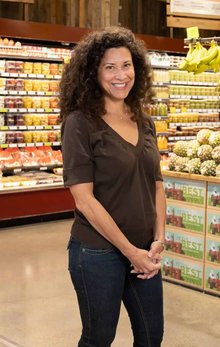
Sonya Gafsi Oblisk
Chief Merchandising & Marketing Officer