What the Latest Houthi Red Sea Attacks Mean for Shipping
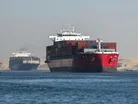
Houthi attacks on shipping vessels in the Red Sea have represented one of the biggest challenges facing global logistics teams in recent times.
While many larger organisations have rerouted around the Cape of Good Hope or sourced alternative means of transport, others have been left with little option but to traverse a potentially treacherous path – sometimes fearing the worst.
Those fears have been realised over the past week as rebel forces sunk two cargo ships along the vital trade route.
The most recent attack – on the Liberian-flagged vessel Eternity C – left at least four people dead, while it is believed several crew members have been taken captive.
Eternity C targeted by Houthis
The Eternity C, operated by a Greek firm, came under attack from small boats firing rocket-propelled grenades on Monday, according to the United Kingdom Maritime Trade Operations (UKMTO).
The vessel sustained major damage, lost propulsion and was targeted again on Tuesday.
Rescue efforts started overnight and continued into Wednesday, with four additional crew members, including three Filipinos and one Greek national, recovered alive, bringing the total rescued to 10.
Maritime security firm Diaplous released footage showing at least five rescued seafarers who had been stranded in the water for more than 24 hours.
The Houthis have claimed responsibility. They said they had struck the Eternity C because it was bound for Israel and taken an unspecified number of crew members to a “safe location”. The US embassy in Yemen said the group had "kidnapped many surviving crew members" and urged their immediate release.
Maritime risk intelligence company Vanguard Tech called the safety and release of crew in Houthi custody "a priority for all involved".

Magic Seas crew rescued
The incident marks the second sinking in a week linked to Yemen’s Houthi forces, heightening risks for global shipping along one of the world’s most critical maritime trade routes.
On Sunday (July 6), another Liberian-flagged, Greek-operated cargo ship, Magic Seas, was hit by Houthi drones and missiles.
Video released by the militant group shows armed personnel boarding and detonating explosives aboard the ship, which subsequently sank. All 22 crew members of the Magic Seas were rescued by a passing merchant vessel.
Since November 2023, the Houthis have attacked around 70 commercial vessels using missiles, drones and small boats in the Red Sea and Gulf of Aden. They have now sunk four ships, seized another and killed at least seven crew.
Arsenio Dominguez, Secretary-General of the International Maritime Organization, said: "The resumption of deplorable attacks in the Red Sea constitutes a renewed violation of international law and freedom of navigation."
Global shipping tensions escalate
The Houthis say their attacks are aimed at supporting Palestinians in Gaza, a conflict which is thought to have claimed the lives of more than 57,000 people since October 2023 - though a recent study found the death toll could be 40% higher than official number.
They continue to claim that they are only targeting vessels with links to Israel, the US or the UK, all of which have carried out retaliatory airstrikes on Yemen.
Abdulmalik al-Houthi, leader of the group, stated on Thursday that companies should not be transporting goods related to Israel through the Red Sea, Gulf of Aden or Arabian Sea.
In May, the Houthis agreed a ceasefire deal with the US following seven weeks of American airstrikes, but insisted the agreement did not include a halt to attacks on Israel. In line with this stance, the Magic Seas and Eternity C were attacked – despite them having no confirmed direct links to Israeli companies.
The US State Department condemned the latest attacks, stating they "demonstrate the ongoing threat that Iran-backed Houthi rebels pose to freedom of navigation and to regional economic and maritime security". It reaffirmed the US' commitment to protecting commercial shipping in the region.
Red Sea shipping traffic on the decline
The Red Sea carries approximately one-third of the world's container traffic.
However, according to the World Bank, maritime trade through the corridor had dropped by around 75% by the end of 2024 due to Houthi aggression.
The latest round of violence threatens to worsen this trend, with more vessels likely to reroute around Southern Africa through the Cape of Good Hope, meaning lengthy delays to shipments and increased fuel costs.
With lives lost, ships sunk and trade routes disrupted, the stakes for maritime safety and supply chain resilience are now higher than ever.