
The Joint Project for New Pharmaceutical Logistics Platform

Fujitsu Limited, Logistics Knight Japan Co. Ltd (LKJ) and Isuzu Motors Limited are creating a joint pilot project.
The three companies have announced the creation and delivery of an integrated pharmaceuticals logistics network, providing a stable and efficient cold-chain logistics solution across Japan.

The specialists
Japan's Ministry of Land, Infrastructure, Transport and Tourism chose three companies to take part in an innovation implementation support project.
Bringing together a range of specialties in logistics, manufacturing and IT, these companies are building a pharmaceutical logistics platform.
Logistics Knight Japan Co., Ltd
Logistics Knight Japan (LKJ) is a logistics consulting firm, dedicated to helping clients with reform, digitalisation and standardisation. It works across industries, including pharmaceuticals, infrastructure and recruitment.
LKJ will ensure the pharmaceutical logistics process is better for all stakeholders, creating a resilient supply chain which thrives even during uncertainty.
Isuzu
Isuzu is a motor vehicle manufacturing company, aiming to be innovative and sustainable. As well as manufacturing vehicles, Isuzu also has software solutions which help with safety and efficiency.
It will redefine transport through its plans of transformation and efficiency growth.
Fujitsu
Fujitsu is an IT services and consulting firm, supporting customers in more than 50 countries and regions around the world through innovation and technology.
It aims to make the world more sustainable with its solutions, working towards solving environmental problems and improving people's well-being.
The project
In early November, the three companies will begin building a platform dedicated to the integrated management of pharmaceuticals. This will cover the entire logistics network, end-to-end, from manufacturing sites to hospitals or pharmacies where consumers can pick the products up.
The main focus of the pilot will be on temperature control and transportation quality, as cold-chain logistics has many more steps than more typical delivery.
When pharmaceuticals are involved, temperatures need to be managed very carefully - if there are any changes or complications, entire lorries of product may need to be binned.
As pharmaceuticals are expensive and life-saving, it is vital that the journey remains smooth without any temperature changes or delays.
The pilot will also create joint transport and pallet-unit transport simulations which can be used to improve logistics efficiency. It is aimed at tackling challenges within the Japanese logistics industry, including labour shortages and an aging workforce, which leads to reduced capacity, increased costs and delivery times. This also creates supply uncertainties, inventory imbalances and temperature control issues, which has resulted in the disposal of pharmaceutical products.
Shinsuke Minami, President and COO of Isuzu says: "While the operations in the logistic industry are becoming more complex and diverse, there is no end in sight for driver shortages.
"Addressing such social issues is the responsibility of Isuzu as a commercial vehicle manufacturer, leading to windows of opportunity for human revolution."
Efficiency throughout the supply chain
As well as focusing on the cold-chain logistics of pharmaceuticals, the project will also address joint transport for improved efficiency and examining the effectiveness of palletised transport.
Each company brings its own strengths to the project; LKJ has specialised knowledge in pharmaceutical logistics, meaning it knows what works, what doesn't work and what doesn't work yet but could with the best resources. Isuzu has its fleet management system which allows it to gain vehicle and operational information during transportation, meaning it has a real-time live feed into the vehicle's environment. Fujitsu's experience with data extraction and transformation means it has a thorough insight into resilient supply chains.
By creating this collaborative project, the pharmaceutical logistics industry will see a reduction of waste, less inventory imbalances, and increased efficiency and stability.
Company portals


Executives
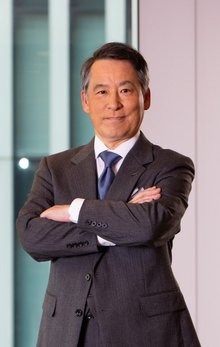
Shinsuke Minami
President and Representative Director, COO