
Iran’s Aluminium Shockwave: From Air Travel to Solar Power
Supply chains across the world continue to feel the impact from the conflict in the Middle East, with aluminium being one material facing disruption.
Aluminium is used in everything from aeroplanes to food packaging and solar panels, meaning disruptions ripple far beyond the metals market.
Global supply chains are now facing a strategic shock as the Iran war and missile strikes on Gulf smelters collide with a critical chokepoint at the Strait of Hormuz.
The conflict has already triggered significant disruption at major Middle Eastern producers and pushed prices toward multi‑year highs.
Uday Patel, Senior Research Manager, Global Aluminium Markets at Wood Mackenzie, says: “The Middle East conflict will have a lasting impact on the global aluminium market.

“The initial challenge for regional producers is to secure sufficient alumina and other raw materials to maintain production, even at lower utilisation rates.
“Meanwhile, the closure of the Strait of Hormuz and recent risks to shipping via the Suez Canal have created obstacles to exports.”
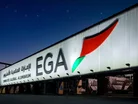
Emirates Global Aluminium (EGA), the Middle East’s biggest aluminium producer, has declared force majeure on some supply contracts after Iranian missiles and drones damaged its main Al Taweelah smelter in late March.
Al Taweelah, located in Abu Dhabi’s Khalifa Economic Zone, ranks among the world’s largest smelters and produced around 1.6 million tonnes of cast metal in 2025.
The strikes inflicted significant damage that EGA has warned could take up to 12 months to fully repair, signalling a prolonged disruption at one of the industry’s flagship assets.
Sustainability, procurement and supply chain leaders won’t want to miss Procurement & Supply Chain LIVE, taking place at Navy Pier, Chicago, on April 21–22.
Co-located with Sustainability LIVE: The US Summit, the event unites senior decision-makers at a time when supply chains, sustainability and business performance are more interdependent than ever.
Secure your place now for The US Summit – group booking discounts available.
EGA is not alone. Aluminium Bahrain (Alba) has also been hit by Iranian attacks, with damage and injuries reported after strikes on its complex, adding to operational disruption and raising questions over future output stability.
Other Gulf smelters face mounting logistical and feedstock risks as the closure and sporadic disruption of the Strait of Hormuz complicate deliveries of alumina and other raw materials into the region, as well as exports of finished metal to key consuming markets.
Aluminium prices surge
Together, Gulf producers account for roughly 7-9% of global primary aluminium output, highlighting the region’s significant role in supplying premium metal worldwide.
Analysts at Wood Mackenzie estimate the Middle East conflict could put around 3 to 3.5 million tonnes of aluminium output at risk in 2026, in a global market that produced just under 74 million tonnes last year.
London Metal Exchange aluminium prices have surged past $3,500 per tonne, testing four‑year highs as traders and industrial buyers price in the threat of extended supply losses.
For an already fragile global economy grappling with surging oil prices and disrupted shipping lanes tied to the Iran conflict, the aluminium squeeze adds another layer of inflationary pressure.
Cost spikes in primary metal are feeding into downstream industries from aerospace and automotive to construction, packaging and renewable energy, all of which rely heavily on high‑quality aluminium products and face the prospect of tighter availability and extended delivery times.
As diplomatic efforts continue, markets are closely watching whether any ceasefire holds and how quickly the Strait of Hormuz can be reopened to more normal commercial traffic.
The duration and severity of these disruptions will determine how deep the aluminium deficit becomes in 2026 and how far prices climb in the months ahead.